
If you’ve ever stood in the middle of your living room wondering where to stash the extra throw blankets, remote controls, and kids’ toys without sacrificing style, you’re not alone. As a residential interior designer working with homeowners across the country — from Brooklyn brownstones to Austin ranch homes — I can tell you that hidden storage furniture is the single most requested upgrade I hear about after “I need more square footage.”
The good news? You don’t need to knock down walls or move into a bigger house. Multi-functional furniture like storage ottomans, storage benches, and hollow platform beds can quietly absorb clutter while looking like intentional, beautiful design choices. In this guide, I’ll walk you through how to use these pieces strategically, what to look for when shopping, and the mistakes I see clients make again and again.
Why Hidden Storage Furniture Matters More Than Ever
American homes have gotten smaller while our stuff has multiplied. According to the National Association of Home Builders, the median size of new single-family homes has trended downward over the past decade, even as household possessions — from home office gear to workout equipment — have grown. That mismatch is exactly why concealed storage furniture has become a design staple rather than a niche trend.
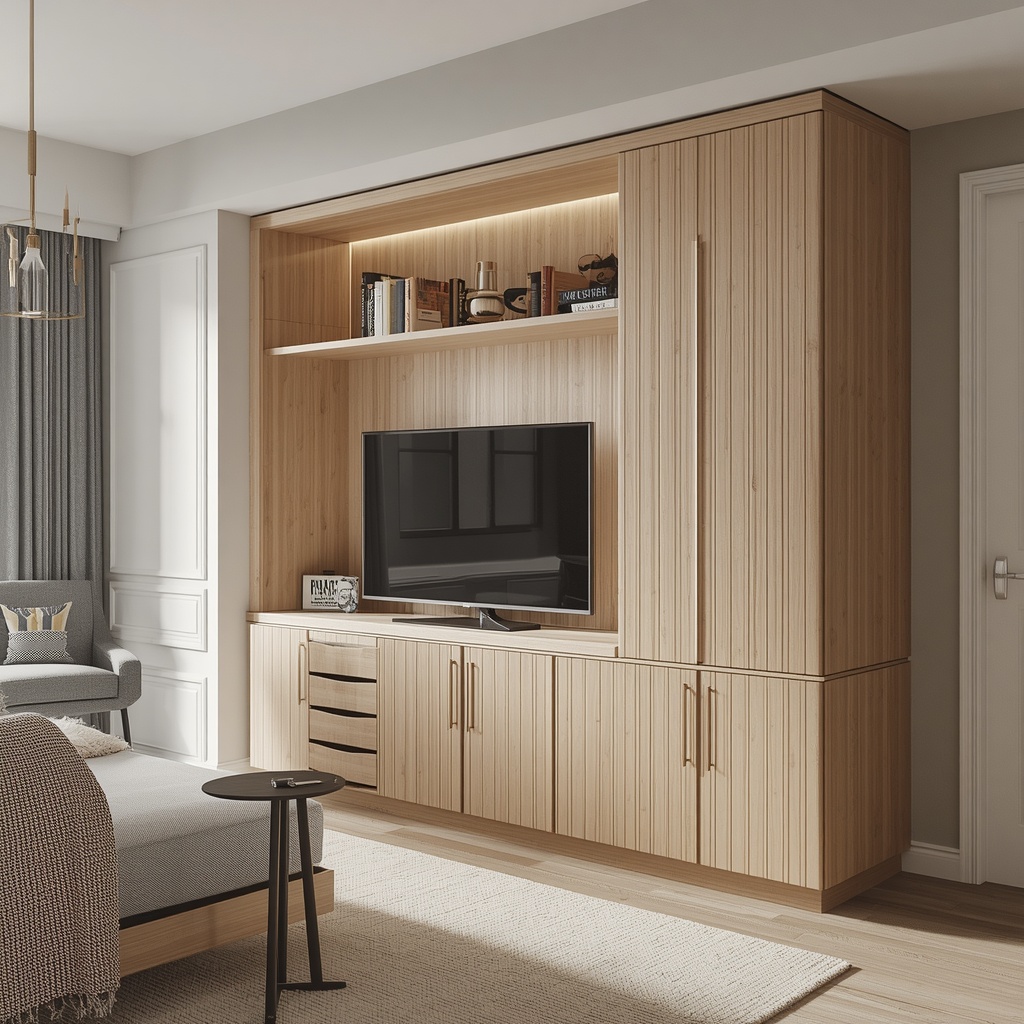
Hidden storage isn’t just about hiding mess; it’s about creating breathing room. A living room without visible clutter feels calmer, larger, and more intentional. In design psychology, this is sometimes called “visual rest” — the eye needs uncluttered space to relax. Furniture that pulls double duty as both seating (or a bed) and storage gives you that visual rest without forcing you to get rid of things you actually need.
“The best storage is the storage you don’t notice. If a piece of furniture is doing its job well, guests should see a beautiful bench or ottoman — never a bin.” — a principle I repeat to every client during a first consultation.
This philosophy applies whether you’re furnishing a 450-square-foot studio apartment or a five-bedroom family home. Clutter isn’t a size problem; it’s a systems problem, and hidden storage furniture is one of the most elegant systems available.
Storage Ottomans: The Multi-Tasking MVP
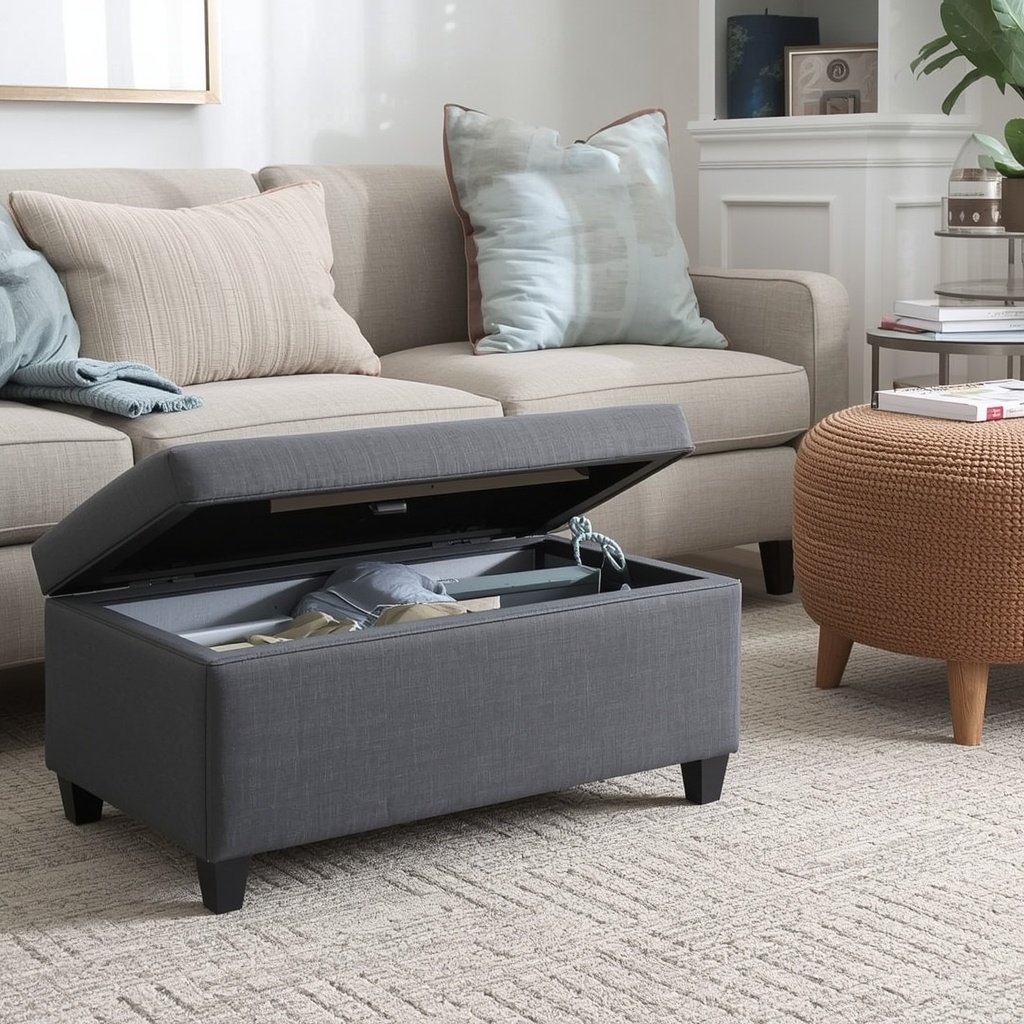
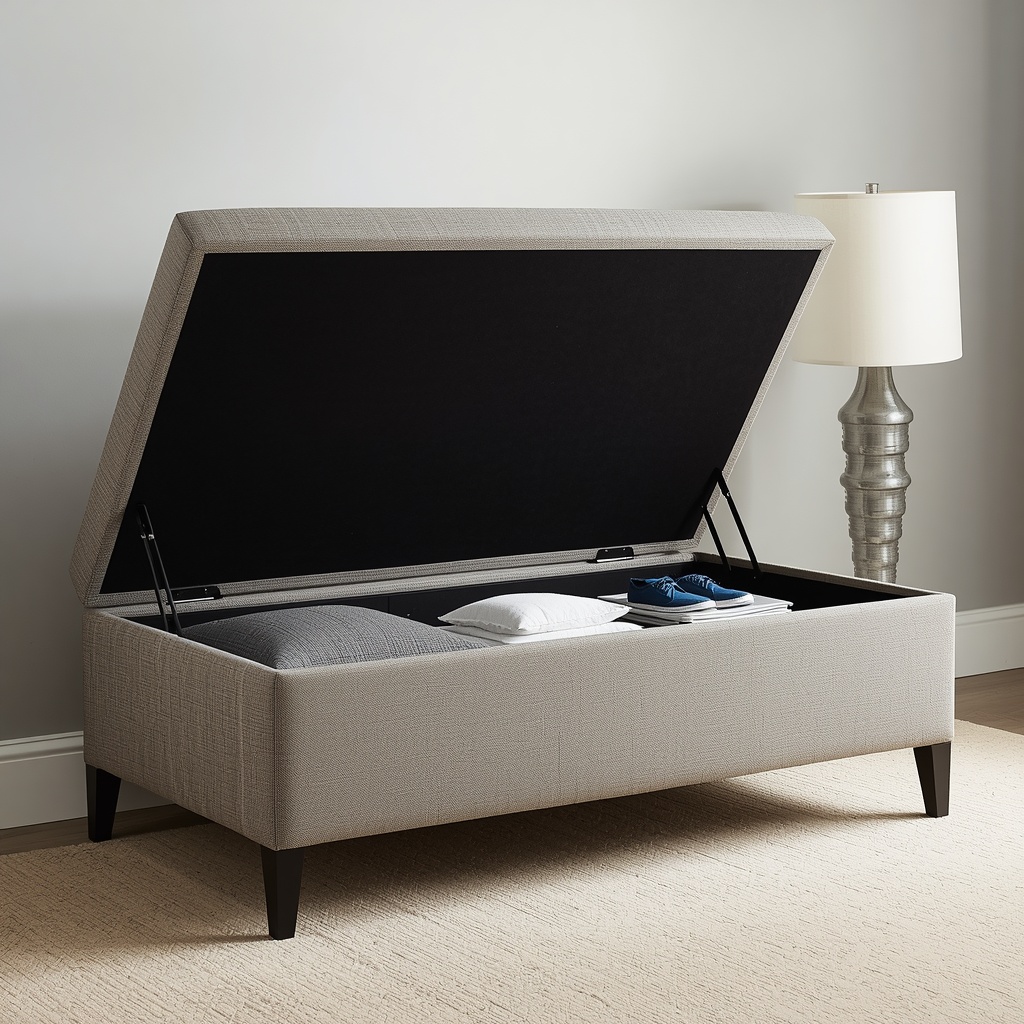
Storage ottomans are, in my professional opinion, the most underrated piece of furniture in American living rooms. They function as a footrest, an extra seat, a coffee table (with a tray on top), and a storage bin — all in one compact footprint.
What to Look For When Buying a Storage Ottoman
Not all ottomans are created equal. Here’s what separates a well-made piece from one that will sag, stain, or fall apart within a year:
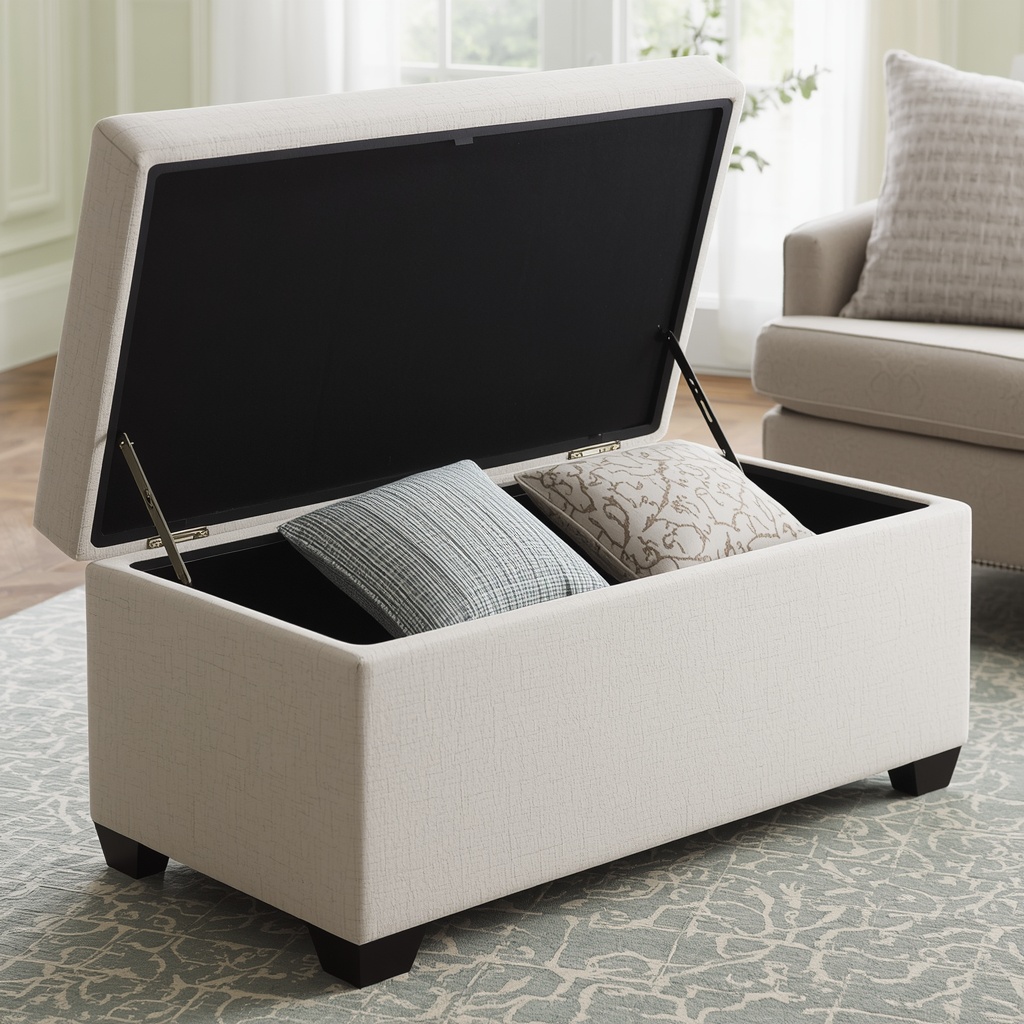
- Lid mechanism: Look for soft-close hinges or a fully removable lid rather than a lid that simply lifts off and needs to be set aside.
- Frame material: Solid wood or engineered wood frames hold up better than particleboard, especially if the ottoman doubles as extra seating.
- Upholstery fabric: Performance fabrics (stain-resistant, easy-clean weaves) are worth the upgrade if you have kids or pets.
- Interior lining: A fabric-lined interior protects stored items from splinters or rough wood edges.
- Weight capacity: If it will be used as a seat, confirm it can hold at least 250–300 lbs.
Best Uses for Storage Ottomans by Room
| Room | What to Store Inside | Style Tip |
|---|---|---|
| Living room | Throw blankets, board games, extra pillows | Pair with a tray for drinks or decor |
| Bedroom | Off-season clothing, extra linens | Place at the foot of the bed |
| Home office | Cables, chargers, files | Use as a footrest under the desk |
| Nursery | Diapers, burp cloths, small toys | Choose a rounded shape for safety |
| Entryway | Shoes, umbrellas, gloves | Double as a spot to sit while putting on shoes |
Pro Tip: Choose an ottoman with a tray-top lid (a flat, hard surface built into the fabric top) if you want it to double as a coffee table. This small design detail dramatically increases functionality — you can rest drinks or a laptop on top while still having full access to storage underneath.
Storage Benches: Function Meets Furniture-Grade Style
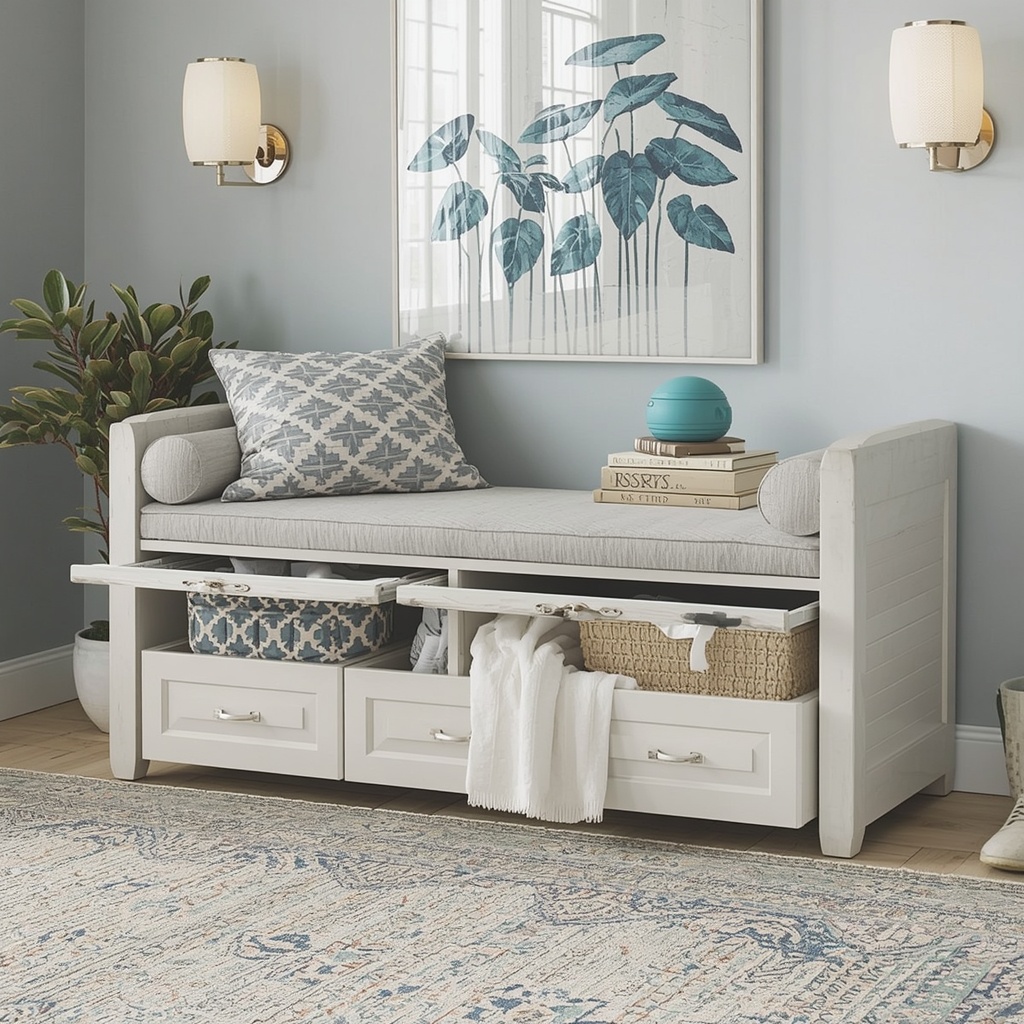
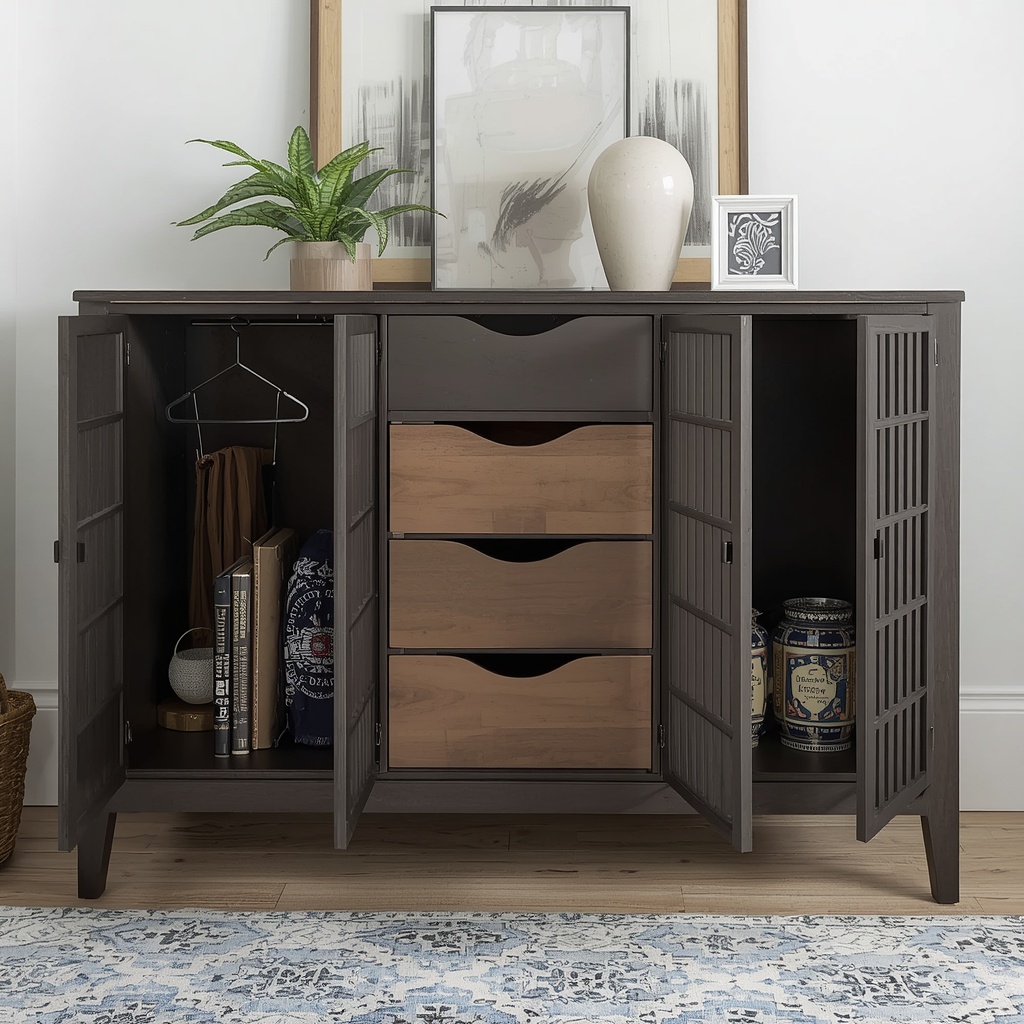
While ottomans tend to live in the center of a room, storage benches are the workhorses of transitional spaces — entryways, mudrooms, hallways, and the foot of the bed. They offer a longer, flatter storage cavity, which makes them ideal for bulkier items like boots, bags, or seasonal bedding.
Where Storage Benches Work Hardest
- Entryways and mudrooms — corral shoes, bags, and outerwear right where the mess actually happens.
- Foot of the bed — store extra pillows, weighted blankets, or off-season wardrobe items.
- Dining nooks — banquette-style benches with lift-up seats store linens, extra chairs’ cushions, or seasonal tableware.
- Home gyms — keep resistance bands, yoga mats, and light weights out of sight between workouts.
- Kids’ bedrooms — a bench at the end of a bed becomes a toy chest that doesn’t look like a toy chest.
A well-placed entryway bench is one of the highest-impact design investments a homeowner can make. It solves a functional problem (where do shoes go?) while anchoring the whole space visually the moment someone walks through the front door.
Storage Bench Styles Compared
| Style | Best For | Storage Capacity |
|---|---|---|
| Flip-top bench | Entryways, mudrooms | High |
| Cubby bench with baskets | Families with kids | Medium (open access) |
| Upholstered lift-top bench | Bedrooms, foot of bed | High |
| Slatted wood bench with drawer | Farmhouse/rustic homes | Low to medium |
| Built-in banquette bench | Kitchen nooks, dining areas | Very high |
Pro Tip: If you’re working with a narrow entryway, choose a bench that’s no deeper than 16–18 inches to preserve walking clearance, and mount hooks above it for coats — this creates a full “landing zone” without eating into your square footage.
Hollow Beds: The Storage Solution Hiding in Plain Sight
Of the three categories, hollow storage beds deliver the biggest volume of hidden square footage — and yet they’re often the most overlooked. A queen or king platform bed with a lift-up frame or built-in drawers can replace an entire dresser’s worth of storage.
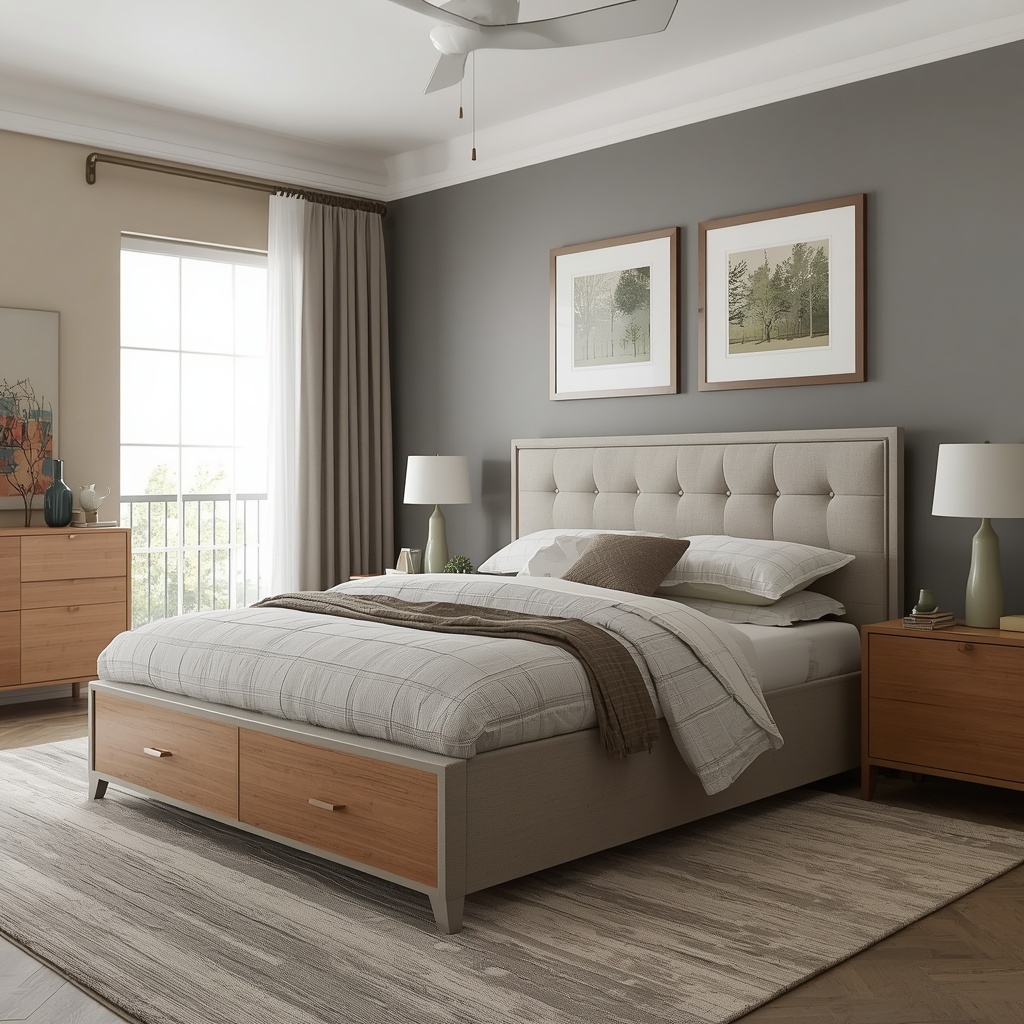
There are three primary types of hollow storage beds, each suited to different needs and budgets:
- Ottoman/gas-lift beds: The entire mattress platform lifts on hydraulic hinges, revealing one large cavity underneath. Best for maximizing volume.
- Drawer beds: Built-in drawers on one or both sides of the frame, accessible without lifting the mattress. Best for frequently accessed items like pajamas or linens.
- Platform beds with under-bed clearance: Not technically “hollow,” but a raised platform frame (with at least 7–10 inches of clearance) allows for storage bins to slide underneath — a budget-friendly alternative.
Comparing Hollow Bed Types
| Bed Type | Storage Volume | Ease of Access | Typical Price Range |
|---|---|---|---|
| Gas-lift ottoman bed | Very high | Requires lifting mattress | $$$ |
| Built-in drawer bed | Medium-high | Easy, no lifting needed | $$ |
| Platform bed + bins | Medium | Easy, slide-out access | $ |
In my experience furnishing small apartments, a gas-lift ottoman bed alone can free up enough space to eliminate the need for a separate dresser entirely — which matters enormously in studio and one-bedroom layouts where every square foot of floor space counts.
Pro Tip: If you choose a gas-lift storage bed, measure your ceiling height and mattress thickness together before buying. You need enough vertical clearance to lift the frame fully upright without the mattress hitting the ceiling or a low-hanging light fixture — a mistake I’ve seen trip up more than one client during move-in day.
How to Choose the Right Hidden Storage Piece for Your Space
Not every room needs every type of hidden storage furniture, and choosing the wrong one can actually make a small space feel more cramped. Here’s a simple framework I use with clients:
- Identify the clutter source. Walk through your home and note where mess accumulates — shoes by the door, blankets on the couch, clothes at the foot of the bed.
- Match the furniture to the function. Entryway clutter calls for a bench; living room clutter calls for an ottoman; bedroom clutter calls for a hollow bed or under-bed storage.
- Measure twice. Hidden storage furniture is often bulkier than its open-frame counterparts. Always measure your space, including clearance for lids and drawers to fully open.
- Prioritize by frequency of use. Items you access daily (shoes, chargers) belong in easy-access drawer storage. Items you access seasonally (holiday decor, off-season clothing) can go in deeper, lift-lid storage.
- Don’t sacrifice comfort for storage. A storage ottoman that’s uncomfortable to sit on, or a storage bed with a mattress that feels unstable, defeats the purpose. Function and comfort should coexist.
Quick Reference: Which Piece Solves Which Problem
- Too many blankets and pillows piling up? → Living room storage ottoman
- Shoes and bags cluttering the entryway? → Storage bench with cubbies
- No room for a dresser in a small bedroom? → Hollow gas-lift storage bed
- Kids’ toys taking over the living room? → Storage bench or ottoman with a removable lid for easy access
- Seasonal decor with nowhere to go? → Under-bed storage bins or a drawer bed
Common Mistakes to Avoid
Even well-intentioned homeowners run into the same handful of issues when shopping for hidden storage furniture. Here’s what I coach clients to watch for:
- Buying storage furniture that’s too small for what you actually need to store. Measure your linens, blankets, or off-season clothing volume before purchasing.
- Choosing style over structural quality. A beautiful ottoman with a weak frame won’t survive daily use as extra seating.
- Forgetting about weight distribution in storage beds. Overloading one side of a drawer bed can cause the frame to warp over time.
- Ignoring humidity and airflow. Enclosed storage cavities, especially under beds, can trap moisture. Use breathable storage bags or bins rather than sealing items in plastic.
- Skipping the “lid test.” Before buying an ottoman or bench in person, test the lid mechanism. It should open smoothly and stay open on its own without needing to be propped.
Styling Hidden Storage Furniture So It Doesn’t Look Like Storage
One of the biggest compliments I get from clients is when guests don’t realize their bench or ottoman is doing double duty. A few styling tricks help these pieces blend seamlessly into your decor:
- Layer a textured throw or a few decorative pillows on top of a storage bench to soften its look.
- Use a large tray on top of a storage ottoman to hold candles, books, or a small plant — instant coffee table styling.
- Choose upholstery fabric that matches your existing color palette rather than treating the piece as an afterthought.
- For hollow beds, invest in a well-tailored bed skirt or a low-profile frame design so the storage mechanism stays visually invisible.
Semantic keywords worth keeping in mind as you shop and plan — multi-functional furniture, space-saving furniture, small space storage solutions, under-bed storage, apartment storage ideas, clutter-free living room, entryway organization, and dual-purpose furniture — all describe the same underlying goal: furniture that works as hard as you do.
Final Thoughts
Hidden storage furniture isn’t a compromise — it’s smart design. A storage ottoman, a well-built bench, or a hollow platform bed can quietly solve some of the most persistent clutter problems in a home without adding a single extra square foot. The key is matching the right piece to the right space, prioritizing quality construction, and styling each piece so it reads as furniture first and storage second.
Whether you’re outfitting a studio apartment or looking to declutter a family home, start with the room that bothers you most, choose one hidden storage piece to solve it, and build from there. Small, intentional upgrades like these are often what separate a house that feels chaotic from a home that feels calm.