
Every home has them — those strange, forgotten spaces that floor plans just don’t know what to do with. The narrow nook beside the fireplace. The dead zone where two walls meet at an odd angle. The deep corner your couch can’t quite reach. If you’ve ever stood in front of one of these spots wondering what on earth do I do with this? — you’re in good company.
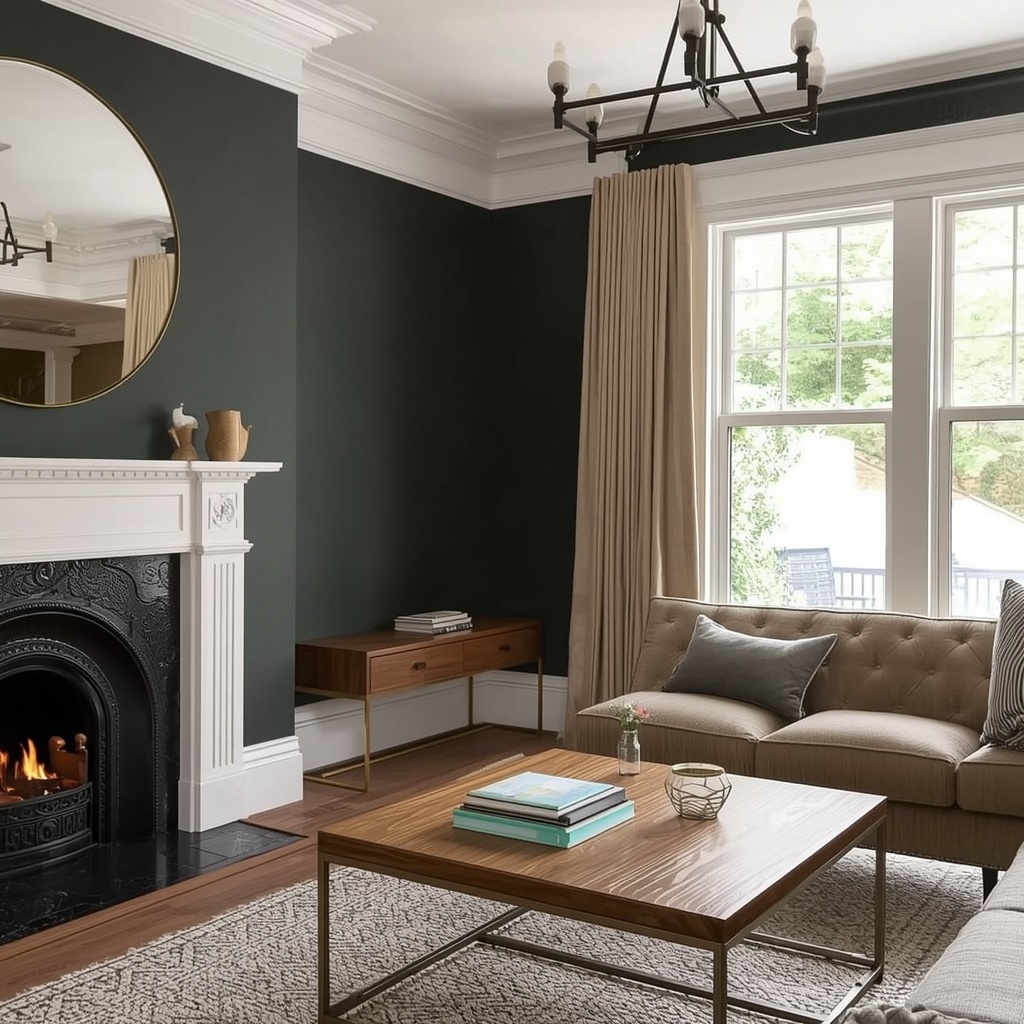
The truth is, awkward corners are actually one of the most exciting decorating opportunities in your home. When approached with intention, these overlooked spaces can become the most memorable, personality-packed spots in the entire room. This guide will walk you through everything you need to know — from identifying your corner type to executing a cohesive, stylish look that makes guests ask, “Did you hire a designer?”
68%
of homeowners say corners are the hardest space to decorate
3×
more likely to leave a corner empty than any other area
$0
needed for many corner fixes using items you already own
Why Awkward Corners Feel So Difficult
Before you can fix a problem, it helps to understand it. Most awkward corners fall into one of a few categories: they’re too narrow, too dark, at an odd angle, or they’re simply dead space that furniture can’t fill naturally. The psychological reason most people leave corners bare is simple — they can’t visualize a finished look, so they do nothing.
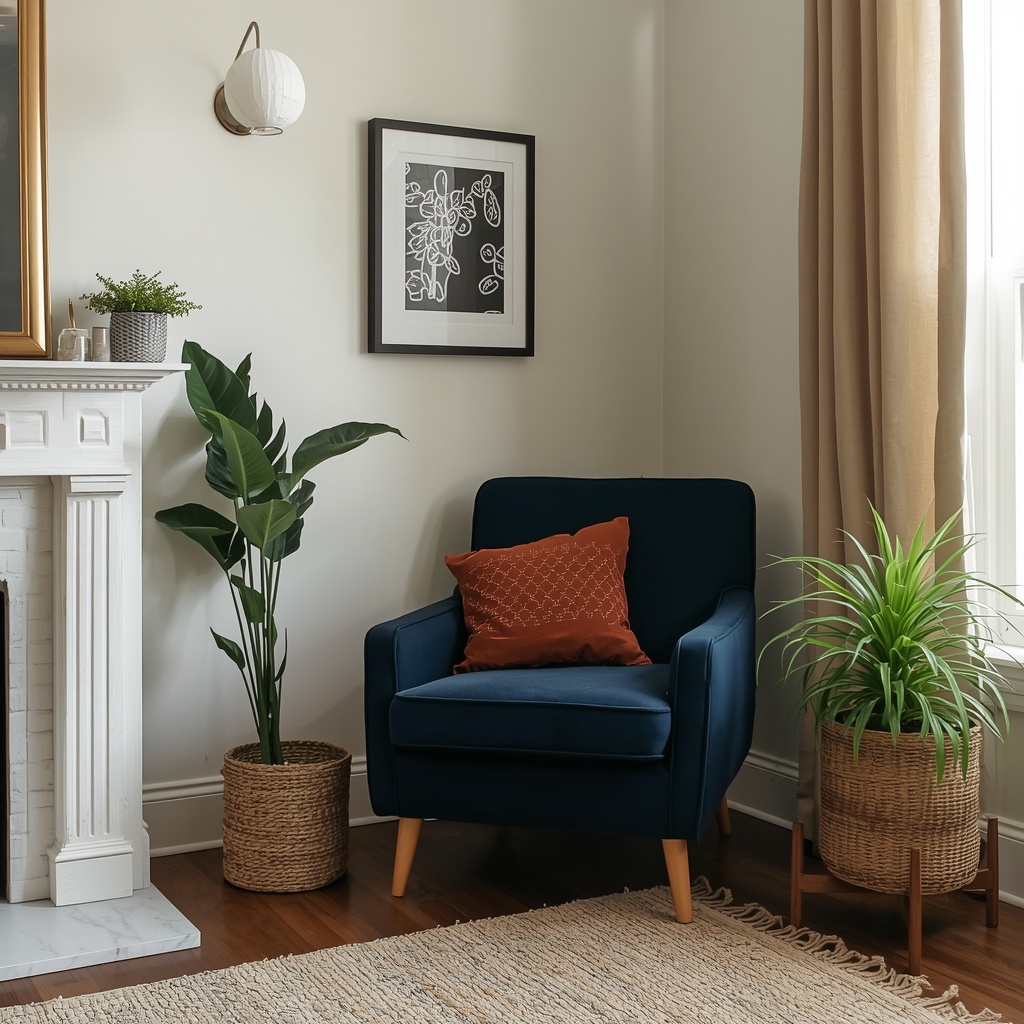
Interior designers think about corners differently. Instead of trying to push furniture into a space where it doesn’t fit, we ask: what does this corner want to be? A cozy reading retreat? A plant sanctuary? A gallery moment? Once you give a corner a purpose, the decor choices become surprisingly obvious. The awkwardness disappears when there’s intention behind every piece.
“There are no bad corners — only under-imagined ones. Every tucked-away space is just a vignette waiting to happen.”— Sarah Bartholomew, Nashville-based interior designer
Step 1 — Identify Your Corner Type
Not all corners are created equal. The right solution depends entirely on the shape and constraints of your specific space. Take a good look at your corner and match it to one of these common types before you start shopping or rearranging.
Knowing your corner type upfront saves you from buying a beautiful piece that simply won’t fit. Measure twice — not just the width, but also the diagonal clearance, ceiling height, and proximity to windows or outlets. Many decorating mistakes happen because a homeowner falls in love with a piece before confirming it will actually work in the space.
| Corner Type | Common Challenge | Best Fix | Difficulty |
|---|---|---|---|
| 90° Standard | Feels empty and flat | Corner shelf unit, tall plant, or floor lamp + chair | Easy |
| Angled / Diagonal | Nothing fits flush | Round furniture, floating shelf on the angle, or a corner cabinet | Medium |
| Narrow Nook | Too slim for furniture | Vertical art, slim console, stacked baskets, or a dramatic floor plant | Easy |
| Deep Alcove | Dark and cave-like | Built-in shelving, a reading nook bench, or gallery wall with lighting | Involved |
| Staircase Corner | Odd ceiling height | Graduated plant grouping, custom shelving, or a low console + art | Medium |
The 5 Best Furniture Solutions for Difficult Corners
Furniture is your first line of attack when dealing with a stubborn corner. The key is choosing pieces that are designed for corners or that work harmoniously in small, confined spaces. Here are the five solutions interior designers reach for most — and exactly how to use them.
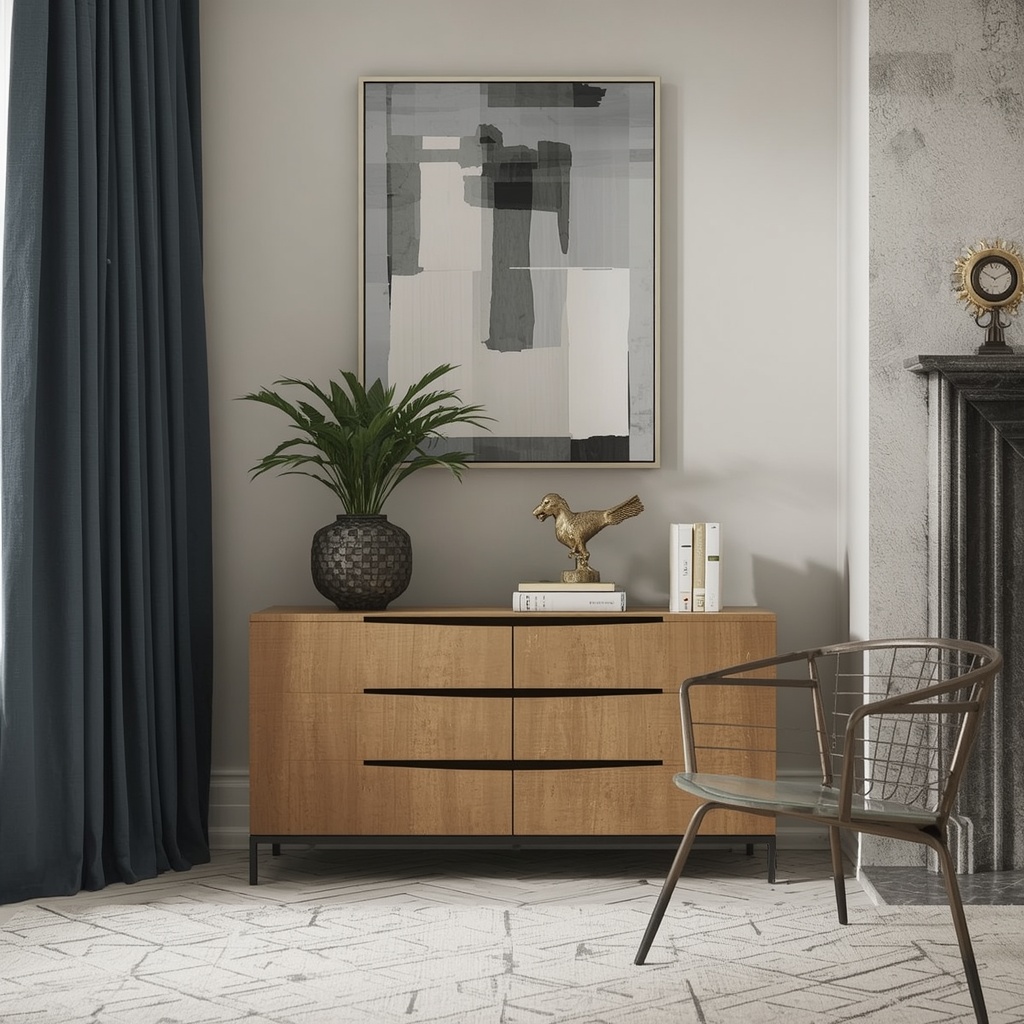
One critical rule: always scale your furniture to the corner, not the room. A hulking armoire that fills a corner wall-to-wall looks like you’re hiding something. A single, well-chosen piece with breathing room on each side looks curated and intentional. Less is almost always more when working with constrained dimensions.
- Corner Accent Chair — A round or barrel-shaped chair (try a barrel chair from Wayfair) softens hard angles and creates an instant cozy reading corner. Pair with a floor lamp positioned behind the chair for maximum effect.
- Tall Ladder Shelf — Vertical shelving draws the eye upward and uses height instead of floor space. Style with a mix of books, small plants, and decorative objects for a collected, lived-in feel.
- Corner Cabinet or Étagère — Specifically designed to fit 90° angles, these maximize storage without consuming precious square footage. Great for living rooms, dining rooms, and home offices.
- Round Side Table — No sharp edges means it nestles into a corner without fighting the geometry. Add a trailing plant and a small stack of books for an effortlessly styled vignette.
- Built-in Bench or Window Seat — If you’re up for a weekend project, a simple built-in bench turns a dead corner into the most charming seat in the house. Add storage underneath and you’ve solved two problems at once.
✦ Pro Tip
When placing a floor lamp in a corner, position it at roughly 6 o’clock behind any seating rather than beside it. This floods the corner with warm, indirect light that bounces off both walls — instantly making the space feel larger, warmer, and more designed. Use a bulb in the 2700K–3000K range for the coziest effect.
How to Use Plants to Transform a Corner
Plants are arguably the single most effective tool for animating an awkward corner — and they work in almost every situation. A dramatic fiddle leaf fig or bird of paradise in a tall, statement planter can fill a corner visually without adding any visual clutter. The organic shape naturally softens geometric architecture, and the greenery adds life and color that no furniture can replicate.
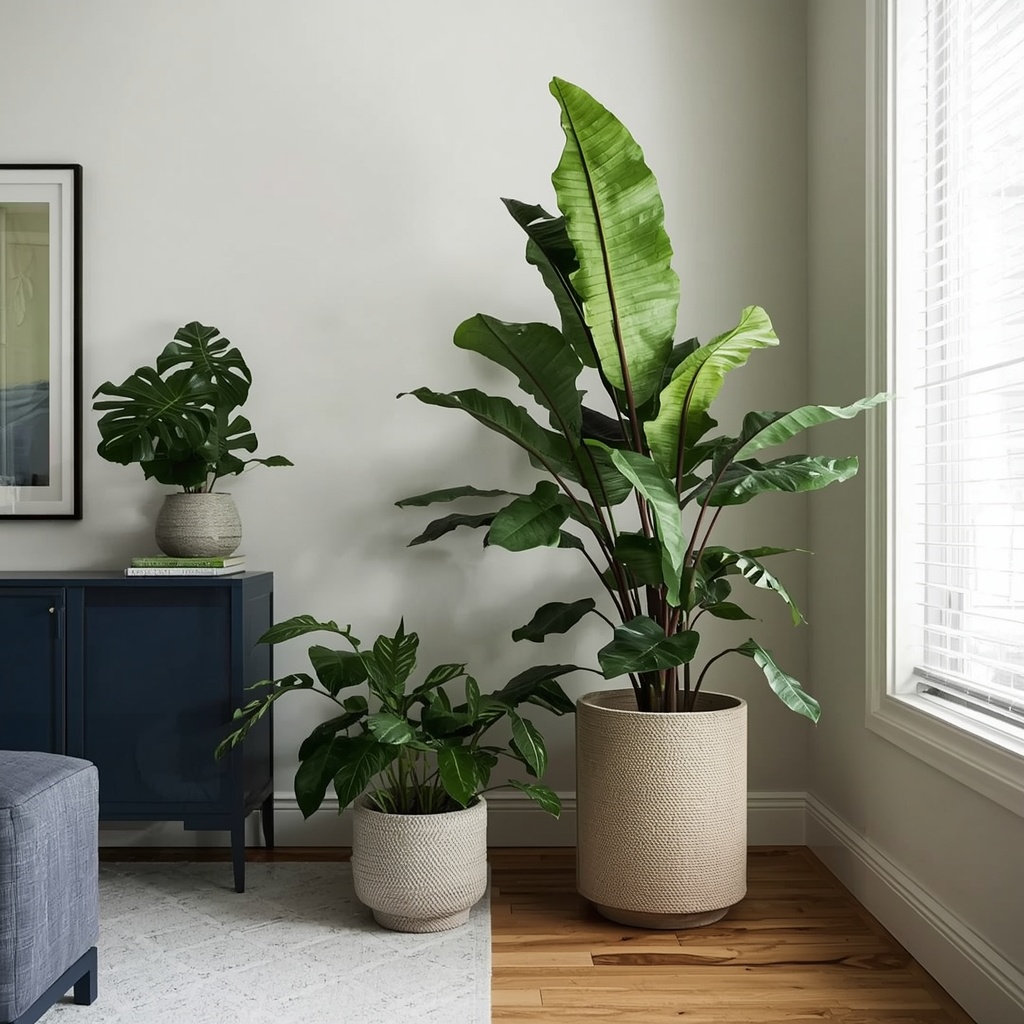
For corners that lack natural light, don’t despair — there are genuinely beautiful low-light plants that thrive in dim conditions. Think pothos, ZZ plants, cast iron plants, or snake plants. If the corner is truly sunless, a high-quality faux plant (brands like Nearly Natural have come a long way) is a perfectly respectable choice that professional designers use more often than they’ll publicly admit.
Fiddle Leaf Fig
Tall, sculptural. Needs bright indirect light. The showstopper choice.
Snake Plant
Near-indestructible. Thrives in low light. Vertical lines add height.
Bird of Paradise
Wide, tropical leaves fill space dramatically. Loves a sunny corner.
Trailing Pothos
Cascades beautifully from a high shelf. Tolerates almost any light.
✦ Pro Tip
Group plants in odd numbers — threes and fives — at varying heights for a professionally styled look. Place the tallest plant in the back corner, medium height slightly forward on one side, and a small trailing element at the lowest level. This creates a layered, natural composition that feels like it belongs there.
Lighting Strategies That Make Corners Come Alive
Lighting is the most underused tool in the home decorator’s kit — and it’s especially transformative in corners. A dark corner communicates neglect. A well-lit corner communicates design intention. The goal is to add what designers call “layered lighting” — a combination of ambient, task, and accent light that works together to give the corner warmth and dimension.
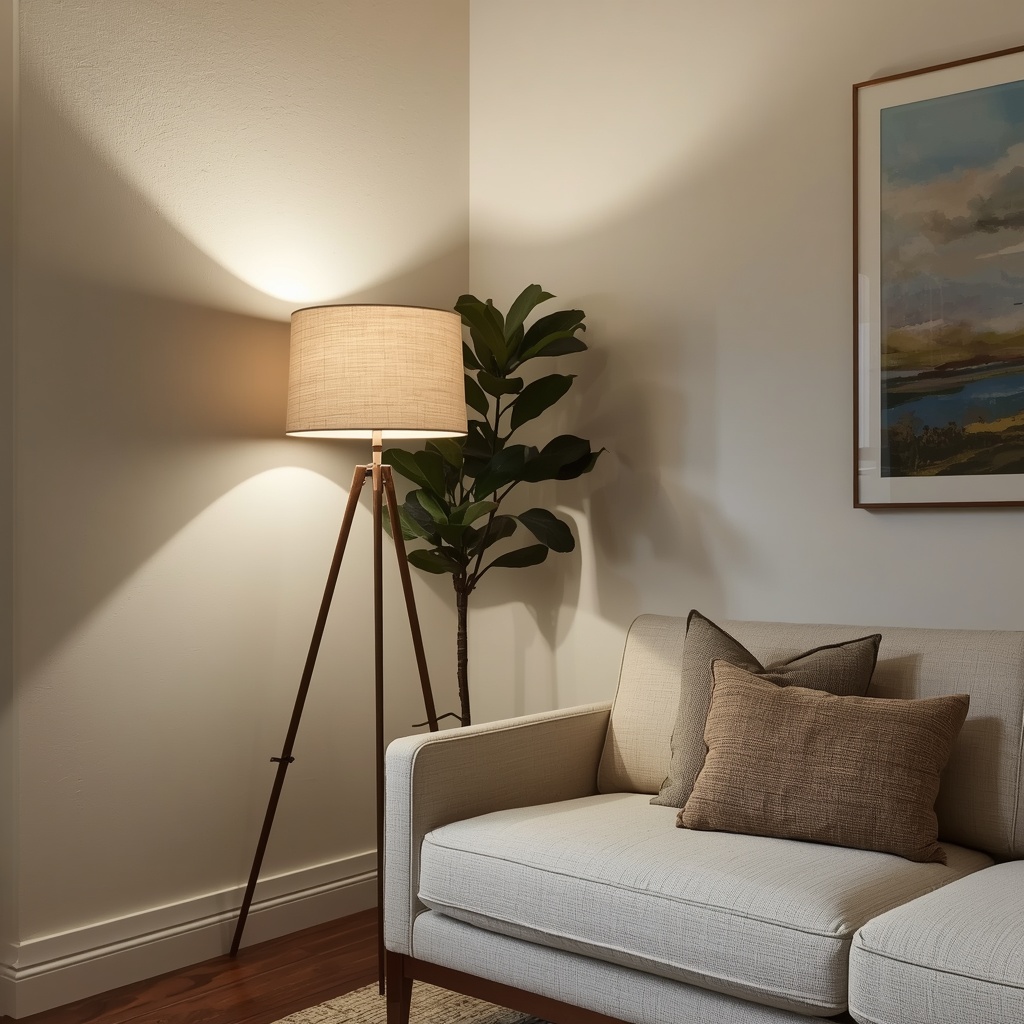
For most corners, a floor lamp with a linen or white shade provides the best ambient effect. If you want to go further, add a small uplight behind a plant to cast dramatic botanical shadows on the wall, or install a plug-in wall sconce for a look that reads as fully built-out and intentional. Picture lights above artwork, battery-operated puck lights inside open shelving, and LED strip lights behind furniture are all tools that professional designers use regularly in spaces exactly like yours.
| Lighting Type | Best For | Approx. Cost |
|---|---|---|
| Arc Floor Lamp | Reading corners, beside seating | $80–$350 |
| Plug-in Sconce | Gallery walls, beside mirrors | $40–$180 |
| Uplight (for plants) | Dramatic plant shadow effects | $15–$60 |
| LED Strip (adhesive) | Behind furniture or inside shelves | $20–$80 |
| Battery Picture Light | Illuminating art without wiring | $30–$120 |
Creating a Corner Vignette: The Designer’s 3-Layer Formula
A vignette is simply a small, intentional grouping of objects that tells a visual story. Every designer uses this approach when styling corners, shelves, and surfaces — and once you understand the formula, you’ll use it everywhere. The secret is thinking in three layers: anchor, mid-layer, and accent.
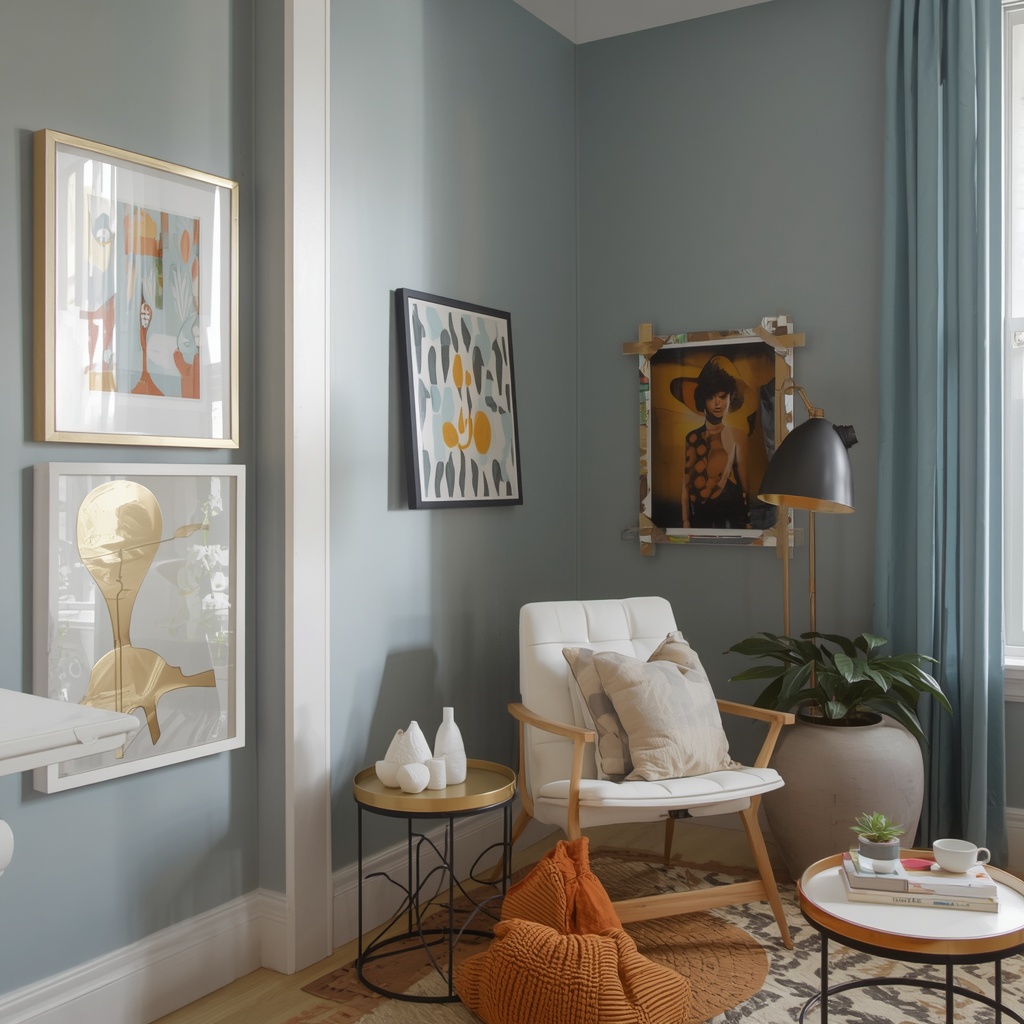
The anchor is your largest piece — a piece of furniture, a tall plant, or a substantial artwork. The mid-layer includes medium-scale items like a stack of books, a small sculpture, or a decorative vase. The accent is the smallest, most detailed element: a scented candle, a small framed photo, a trailing plant, or a single meaningful object. When these three scales are layered together with a consistent color palette, the result always looks polished and intentional, never cluttered.
- Anchor (large): Floor lamp, tall plant, substantial artwork, or a statement chair
- Mid-layer (medium): Decorative vase, stack of art books, woven basket, or a sculpture
- Accent (small): Candle, small framed photo, trailing plant, or a single ceramic object
- Color rule: Stick to 2–3 tones maximum — one neutral, one warm accent, one textural element
- Texture rule: Mix at least two contrasting textures — matte + shiny, rough + smooth, natural + manufactured
“A well-styled corner vignette is like a good sentence — every word earns its place. If you can remove an object and the grouping still makes sense, remove it.”— Amber Lewis, designer and founder of Amber Interiors
Room-by-Room Corner Decorating Ideas
Context matters enormously when decorating corners. A solution that feels perfect in a living room might feel cluttered in a bedroom. Here’s a quick-reference breakdown of the best approaches by room — each curated for the specific function and feeling that room should deliver.
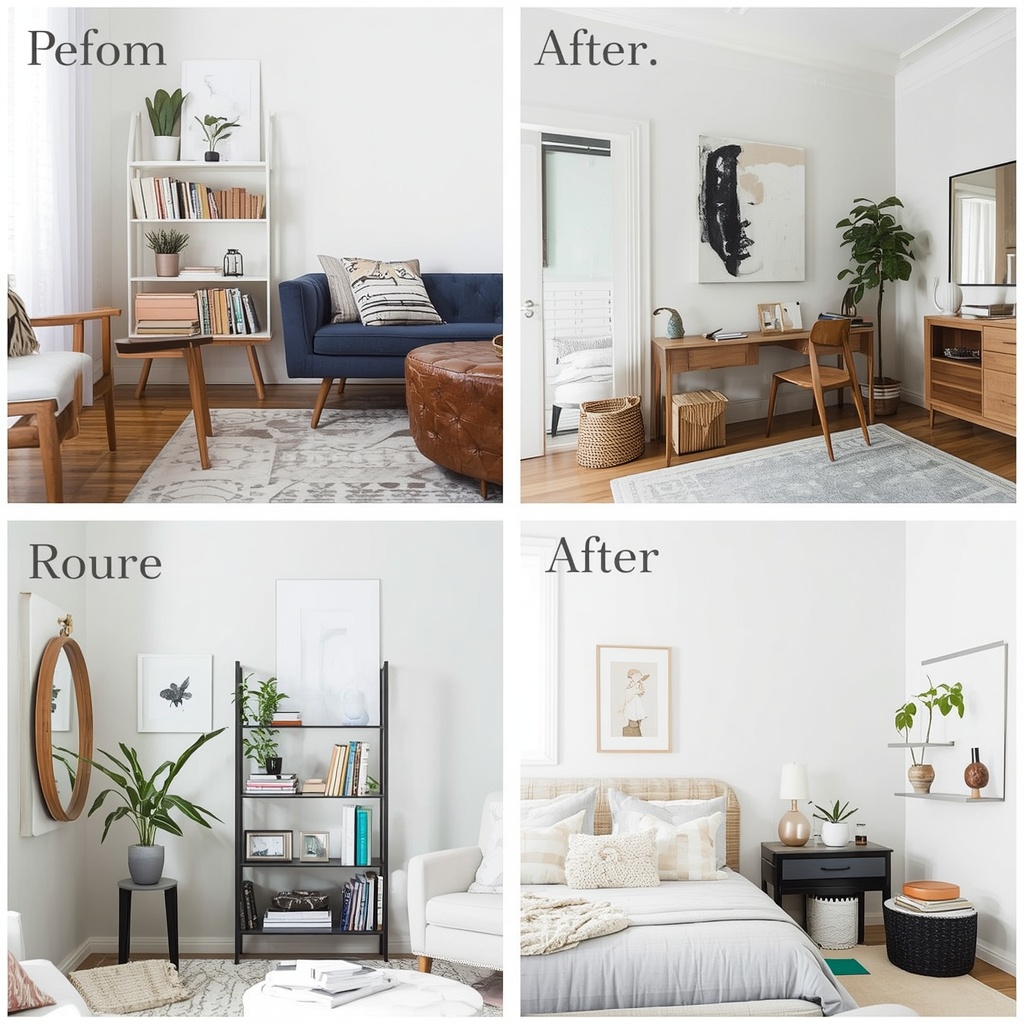
Notice that in every room, the guiding principle is the same: give the corner a purpose. A corner with a job to do — hold books, display art, provide seating, house plants — always looks more considered than a corner that’s just been “decorated.” Purpose drives design, and design drives beauty.
| Room | Corner Purpose | Top 3 Ideas |
|---|---|---|
| Living Room | Comfort + style | Accent chair + lamp, tall plant grouping, gallery wall with sconce |
| Bedroom | Calm + function | Reading chair + blanket ladder, floating corner shelf, vanity nook |
| Home Office | Productivity + personality | Corner desk, ladder bookshelf, pinboard + task lamp |
| Dining Room | Storage + ambiance | Corner cabinet, bar cart, dramatic floral arrangement |
| Bathroom | Spa-like utility | Corner shower caddy, small plant shelf, stacked towel basket |
| Entryway | First impression | Console + mirror, umbrella stand + coat hook, sculptural plant |
Budget-Friendly Corner Transformations Under $100
You don’t need a designer budget to make a corner look like it came from one. Some of the most impactful corner transformations cost next to nothing — especially when you start by looking at what you already own. Relocating a lamp from another room, repurposing a basket from the hall closet, or hanging a framed piece of art you’ve had in storage can completely change how a corner reads.
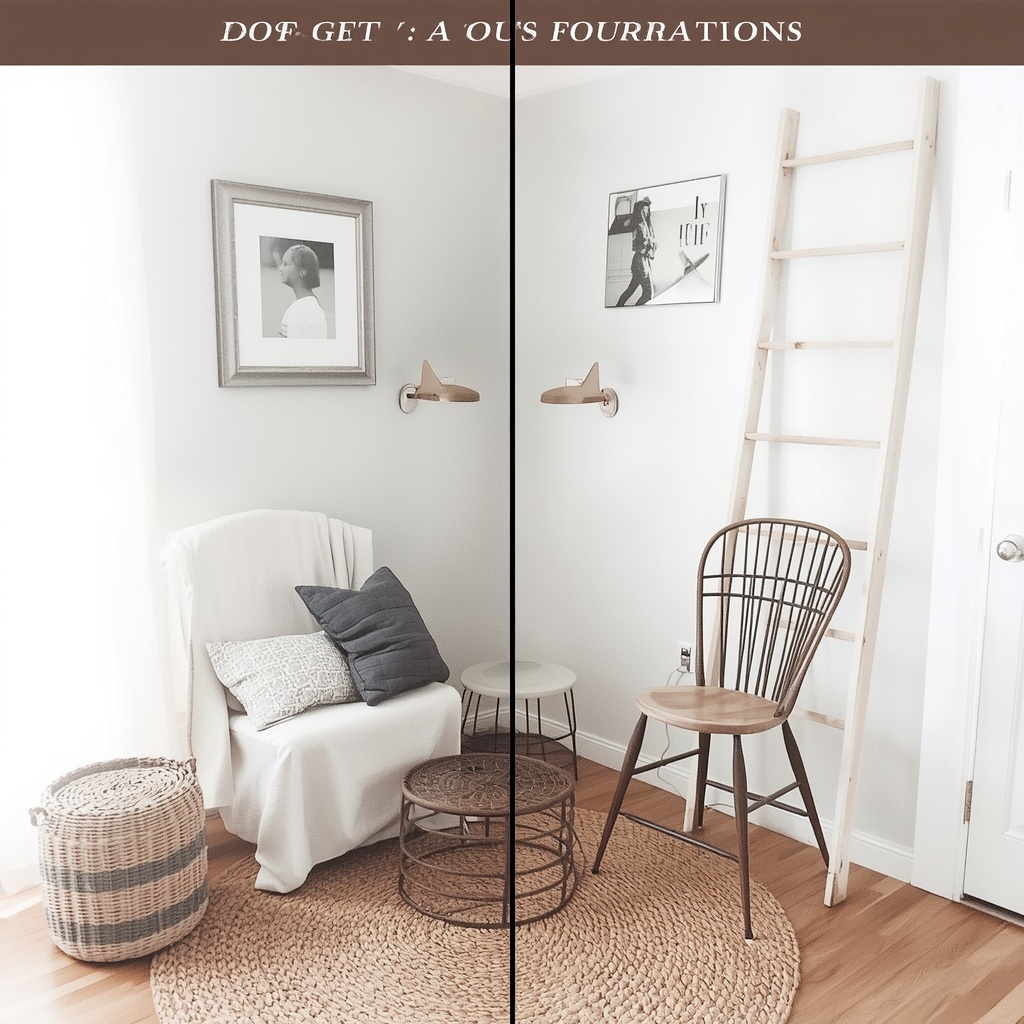
When shopping for corner decor on a budget, thrift stores and Facebook Marketplace are your best friends. A beautiful ceramic vase for $8, a vintage ladder shelf for $25, or a secondhand wicker chair for $40 — these finds often have far more character than anything you’d buy new at mass-market retailers. The IKEA corner solutions section is also legitimately excellent for functional pieces that photograph well and last for years.
✦ Pro Tip
Before spending a single dollar, do a “home edit” walk-through. Carry a tray and pull one object from every room that you love but that doesn’t have a great home. Bring them all to your awkward corner and start experimenting. More often than not, your dream corner vignette is hiding somewhere else in your house, waiting to be relocated.
Common Corner Decorating Mistakes to Avoid
Even experienced decorators make these missteps — and they’re easy to avoid once you know what to watch for. The biggest corner mistake is overcrowding: filling every inch of space because you’re afraid of leaving things bare. Negative space is a design tool, not a failure. A corner with one beautiful chair and a thoughtfully placed lamp is always more striking than one stuffed with mismatched objects that have no relationship to each other.
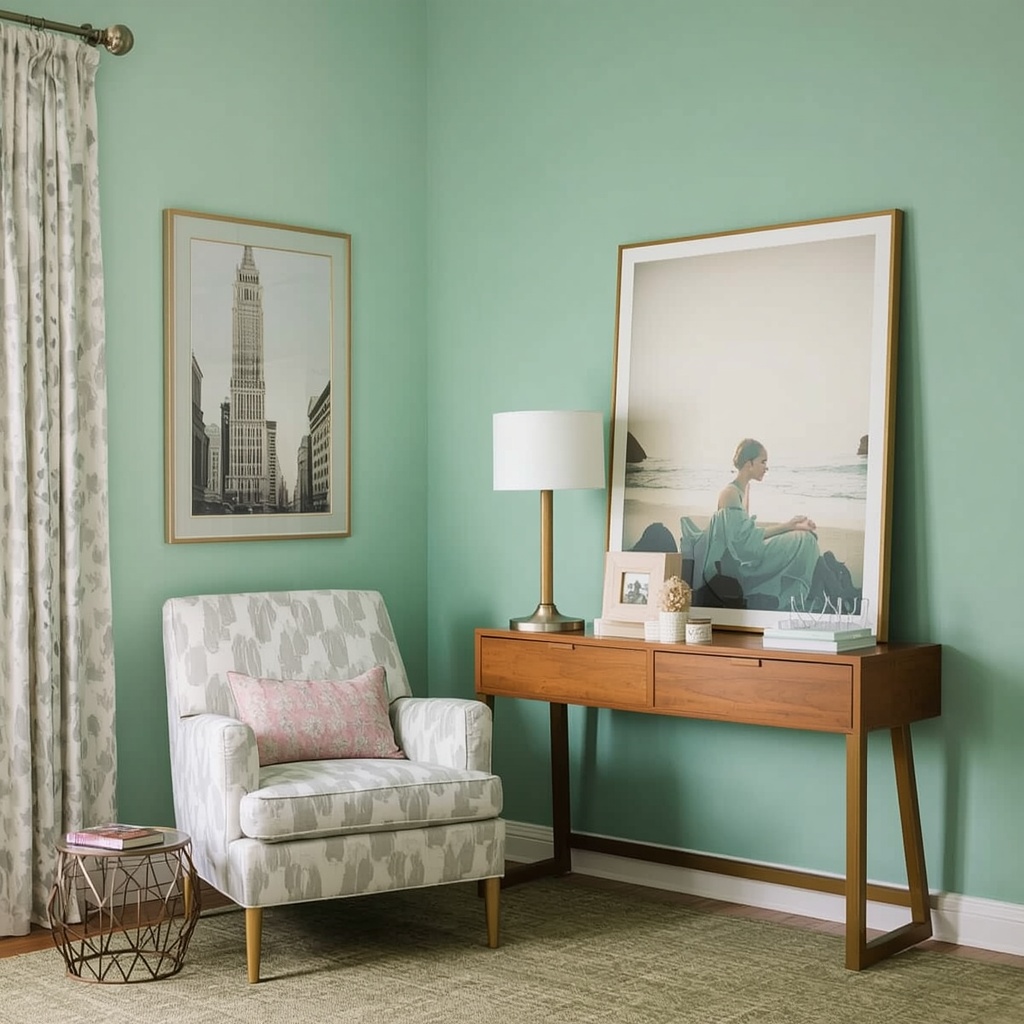
The second most common mistake is ignoring scale. A small framed photo leaning against a large wall makes the wall look bigger and the photo look tinier. Go large with artwork — many designers recommend that the dominant piece in a corner vignette take up at least 60% of the wall space it occupies. Commit to the scale and the corner will reward you with presence and confidence.