
Gone are the days of playing it safe with beige and greige. American homeowners are finally doing what designers have been begging them to do for years — committing to color. Whether you’re renovating a brownstone in Brooklyn, a ranch house in Arizona, or a new build in the suburbs of Atlanta, bold wall paint is the single fastest, most affordable way to transform a space from forgettable to magazine-worthy. In this guide, we’re diving deep into the hottest paint trends for bold walls, so you can walk into your next home project with confidence, a color palette, and zero regrets.hy Bold Walls Are Having a Major Moment in American Homes.
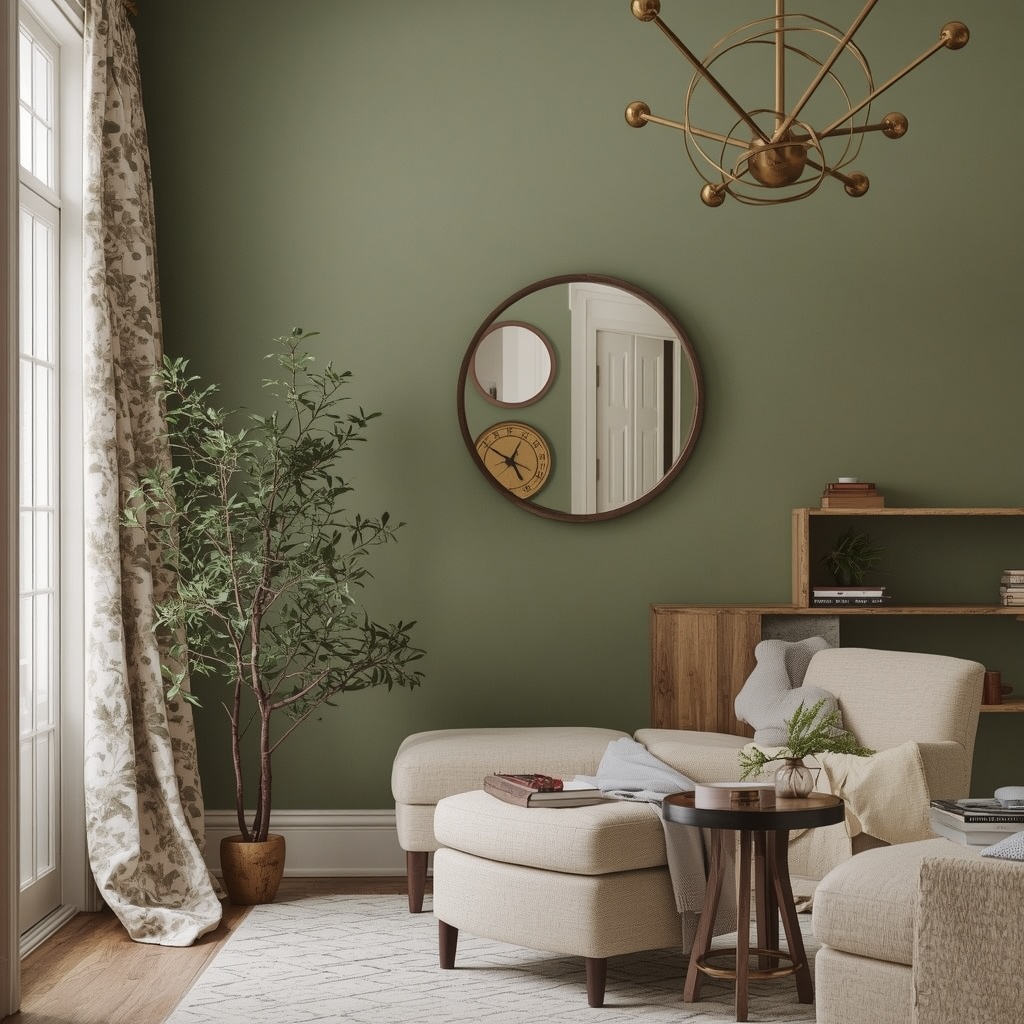
For the better part of two decades, “safe” neutrals ruled the American real estate market. Sellers wanted walls that appealed to everyone — and in doing so, appealed to no one. But the post-pandemic shift toward nesting, coupled with a generation of homeowners who spend more time at home than ever before, has flipped the script entirely.
Today’s homeowners want their homes to feel like them. They’re drawing inspiration from boutique hotels, international design magazines, and social media platforms like Pinterest and Instagram. The result is a collective appetite for saturated hues, moody pigments, and unexpected color pairings that would have made a 2010 real estate agent faint. Bold walls create atmosphere, add architectural interest, and — most importantly — they make people feel something the moment they walk into a room.
The paint industry has taken notice. Major brands like Benjamin Moore, Sherwin-Williams, and Farrow & Ball have all leaned into deep, complex, and expressive color stories in their recent collections. And with the rise of peel-and-stick wallpaper alternatives, color drenching techniques, and limewash finishes, there’s a bold wall solution for every budget and every skill level.
The Top Paint Trends for Bold Walls Right Now
1. Deep Jewel Tones: Emerald, Sapphire, and Amethyst
If you want one color family that defines the current bold wall movement, it’s jewel tones. Rich emerald greens, deep sapphire blues, and lush amethyst purples have taken over living rooms, home offices, and dining rooms across the country — and for good reason.
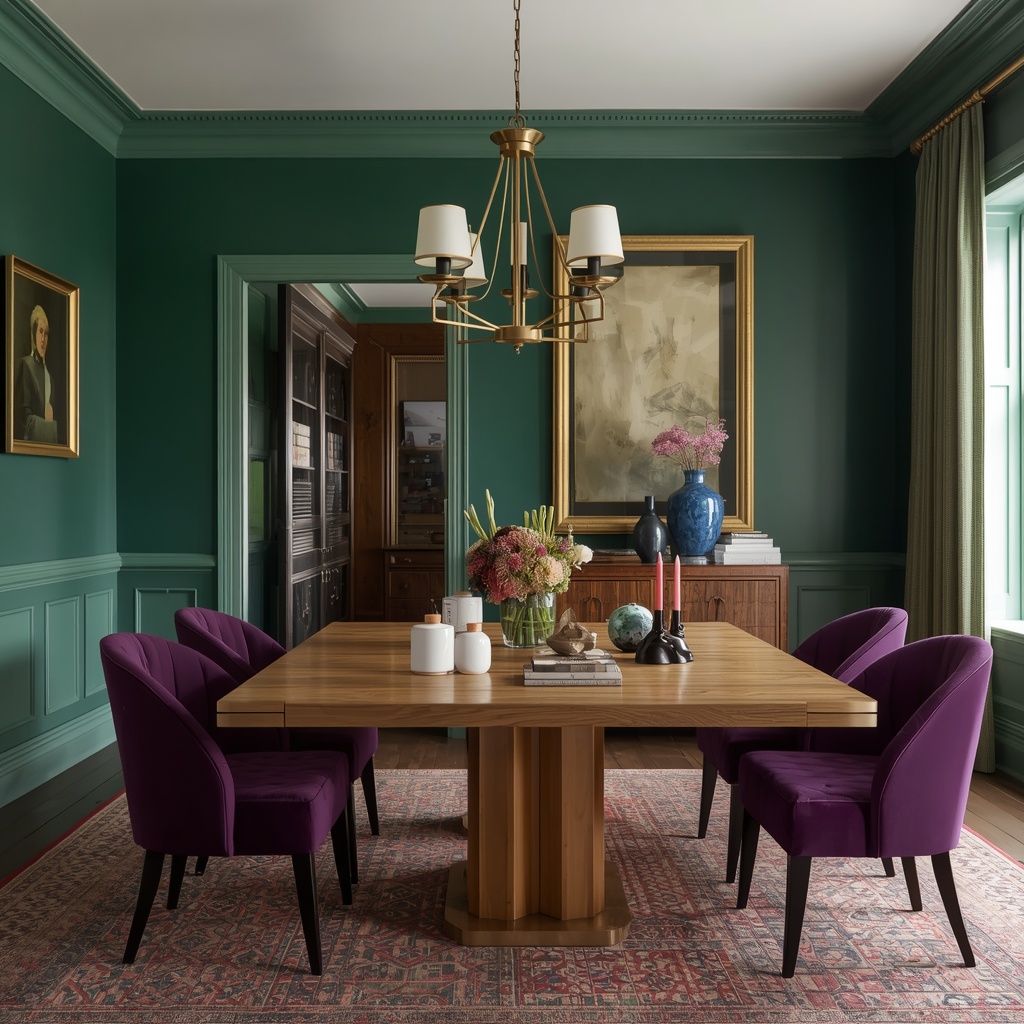
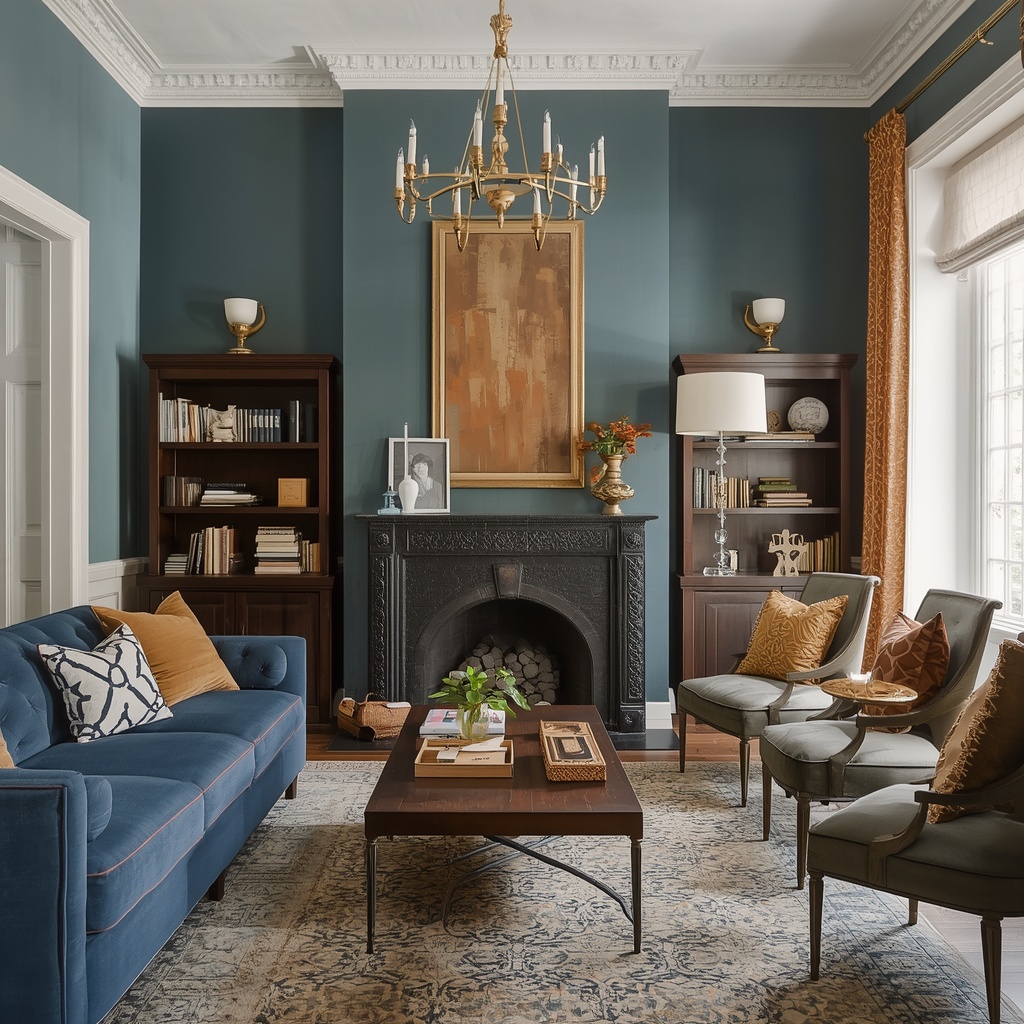
Jewel tones create an instant sense of luxury and intimacy. They work beautifully with natural wood tones, brass and gold hardware, velvet textiles, and warm lighting. In a dining room, a deep emerald wall transforms an ordinary dinner into an event. In a home library or office, sapphire blue communicates both intellect and sophistication.
Top picks to try:
- Benjamin Moore Salamander (a lush hunter green)
- Sherwin-Williams Anchors Aweigh (a saturated navy)
- Farrow & Ball Pelt (a dramatic, warm purple)
- Behr Blueprint (a versatile, accessible blue)
“Color is the most powerful design tool we have. A jewel-toned wall doesn’t just add color — it adds soul to a room.” — Emily Henderson, Interior Designer
2. Terracotta and Earthy Reds: Warmth With Edge
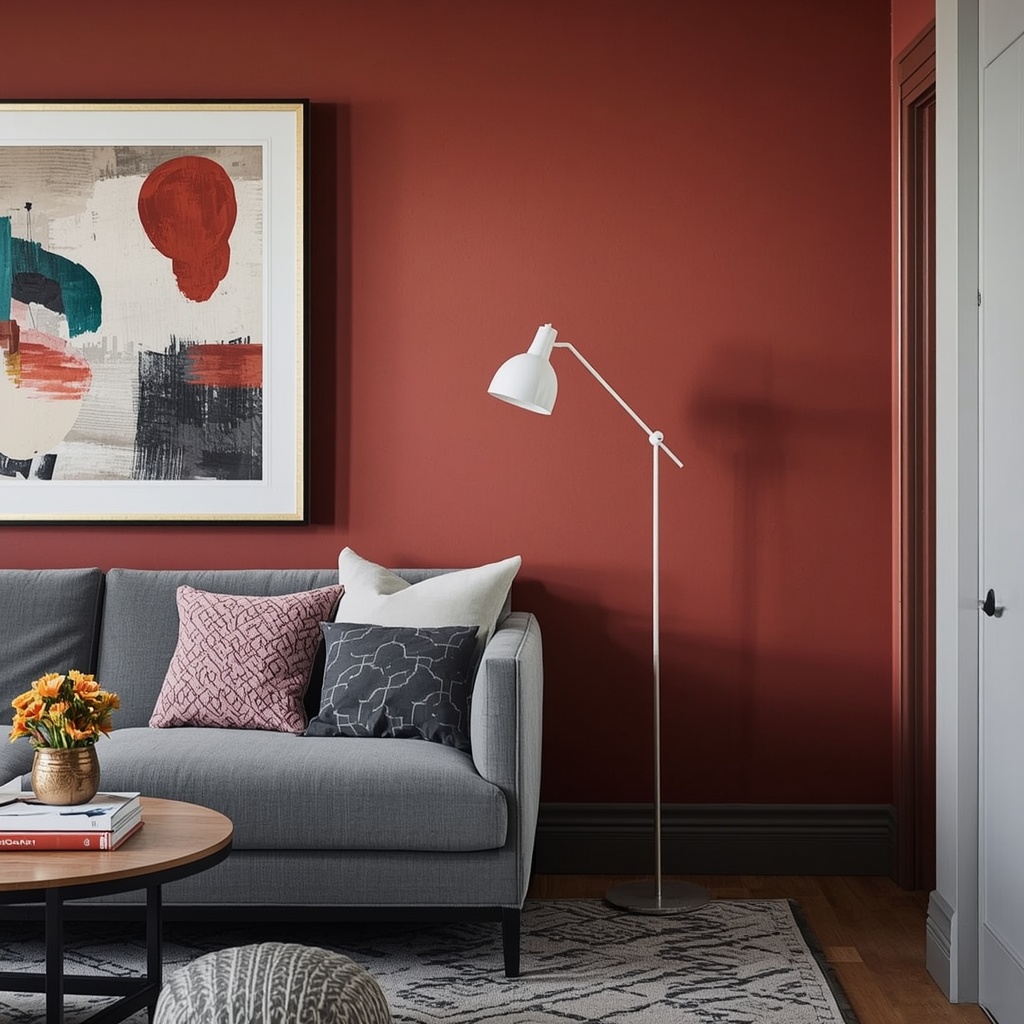
Terracotta is no longer just for your outdoor pots. This warm, clay-inspired hue has moved firmly indoors, and it’s bringing all of its earthy cousins with it — burnt sienna, brick red, adobe, and rust. These shades tap into America’s love of the Southwest and Mediterranean aesthetics, while feeling completely modern when applied thoughtfully.
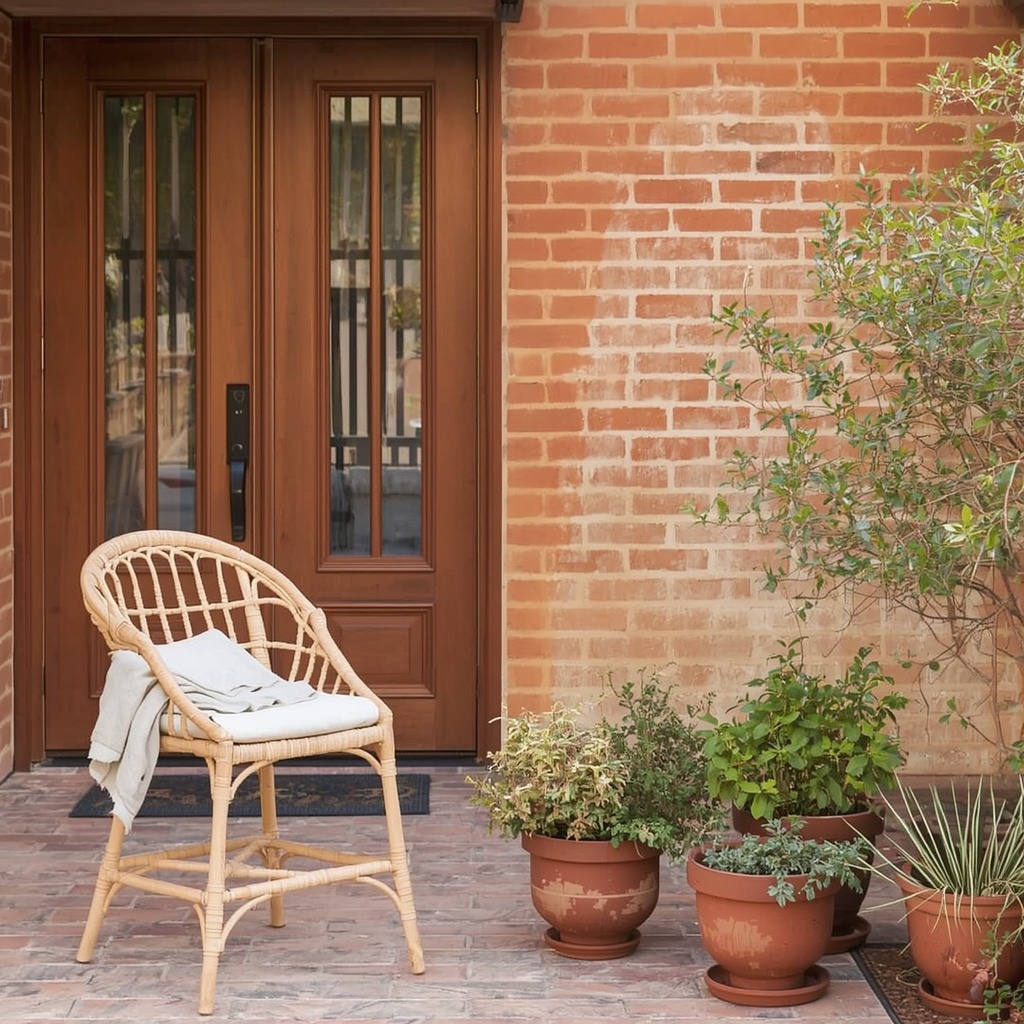
What makes terracotta and earthy reds so versatile is their warmth. They make spaces feel cozy and grounded without feeling dark. They pair naturally with linen, rattan, leather, and terracotta tile — all major material trends in American interior design right now.
Where it works best:
- Kitchens and breakfast nooks
- Entryways and mudrooms
- Bedrooms (for a cocooning, restful effect)
- Powder rooms
Pro Tip: If terracotta feels too intense for a full room, try it on a single accent wall behind a bed or sofa. Pair it with warm white trim (not bright white — the contrast is too harsh) and natural linen drapes for a look that feels both bold and collected.
3. Moody, Dark Neutrals: Charcoal, Ink Black, and Forest
Not all bold walls need to be bright. The dark and moody palette — think charcoal gray, ink black, deep forest green, and midnight navy — is one of the most sophisticated directions you can take a room. These are the shades that high-end restaurants, boutique hotels, and upscale retail stores use to create an unforgettable atmosphere. Now they’re coming home.
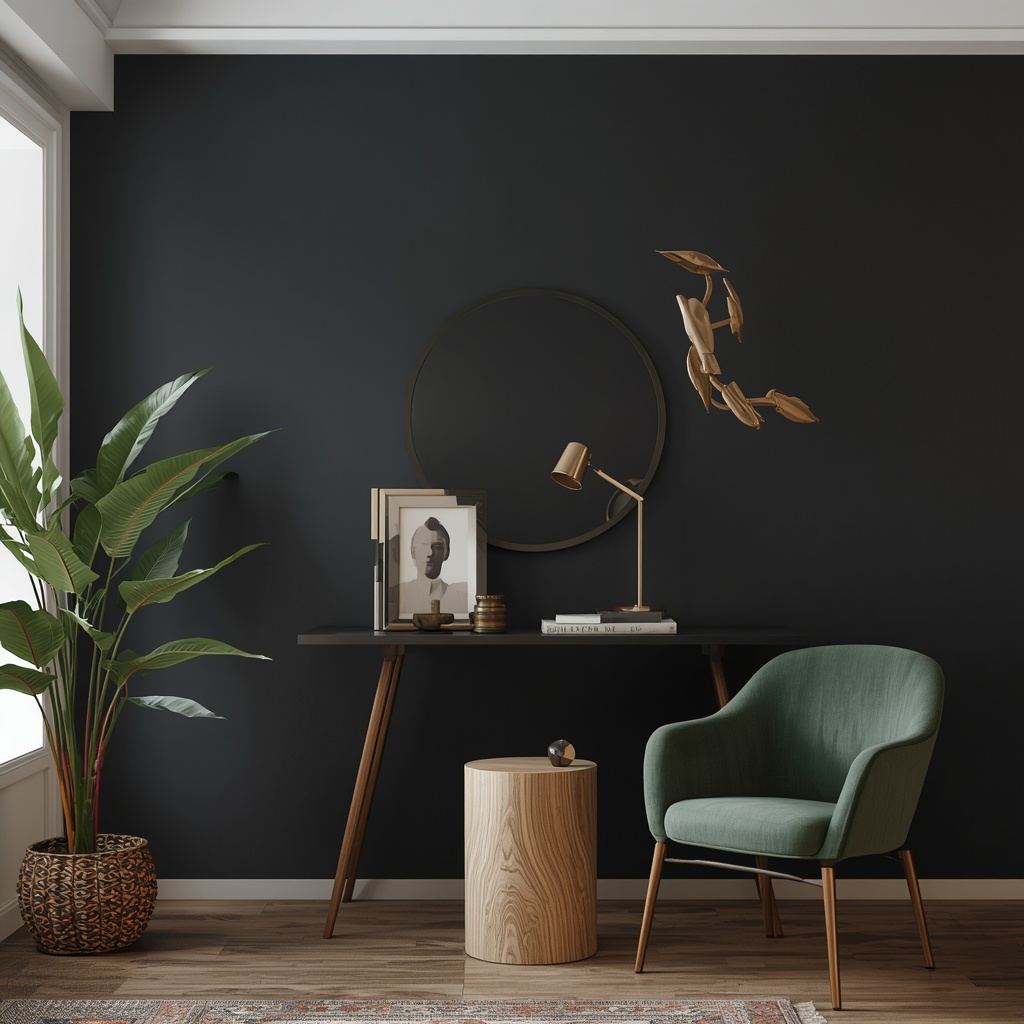
Dark walls do something that lighter shades simply cannot: they make a room feel intentional. They create contrast, make art and furniture pop, and add a layer of drama that elevates everything around them. Contrary to popular belief, dark walls don’t necessarily make a room feel smaller — when done correctly, with the right lighting and reflective surfaces, they can actually make a space feel more expansive and enveloping.
Color drenching — the practice of painting walls, trim, ceiling, and even built-ins in the same dark shade — is one of the biggest application trends right now, and it works particularly well with these deep, moody tones.
| Dark Shade | Best Room | Pairs Well With |
|---|---|---|
| Charcoal Gray | Home Office, Living Room | Silver, White Oak, Glass |
| Ink Black | Dining Room, Entryway | Brass, Marble, Warm Wood |
| Forest Green | Bedroom, Library | Leather, Linen, Antique Brass |
| Midnight Navy | Powder Room, Study | White, Gold, Natural Rattan |
4. Warm Whites and Creamy Hues: Bold in Their Softness
Wait — can a warm white be bold? Absolutely, when it replaces decades of cold, stark bright white. The shift from cool, blue-toned whites to warm, creamy, complex whites is one of the most significant paint trend shifts happening in American homes right now.
Shades like Benjamin Moore White Dove, Sherwin-Williams Alabaster, and Clare Paint’s Coconut have become the new neutrals of the design world. These creamy off-whites work because they glow — they pick up warm light beautifully, make rooms feel livable rather than clinical, and serve as the perfect backdrop for layered, textured decor.
The boldness here is in the commitment — choosing a warm white and letting the texture, lighting, and furnishings do the talking is a sophisticated, considered design move.5. Limewash and Textured Finishes: Beyond Flat Paint
A paint trend that’s exploding in popularity across American homes is the limewash finish — a technique that originated in European farmhouses and Mediterranean villas, now finding its home in everything from modern farmhouses in Tennessee to Spanish Colonial revivals in Southern California.
Limewash paint applies in layers, creating a naturally variegated, mottled effect that adds incredible depth and texture to walls. It looks hand-crafted and organic — the opposite of the perfectly flat, characterless walls that dominated American homes for decades. Brands like Portola Paints, Roman Clay by Bauwerk, and ROMABIO have made limewash and mineral paint accessible to the DIY homeowner and professional installer alike.
Other textured finishes worth exploring:
- Roman Clay — a plaster-like, ultra-smooth finish with subtle sheen
- Venetian Plaster — a high-gloss, polished plaster technique for dramatic effect
- Chalk Paint — ultra-matte, chalky finish that diffuses light beautifully
- Metallic Paint — subtle shimmer that catches light and adds glamour
How to Choose the Right Bold Color for Your Space
Choosing a bold wall color can feel overwhelming, but it doesn’t have to be. Here’s a simple framework for making the right call.
Step 1: Start with what you already own. Your sofa, rug, artwork, and largest furniture pieces should inform your wall color — not compete with it. Pull the undertones from these pieces and find a wall color that either complements or beautifully contrasts them.
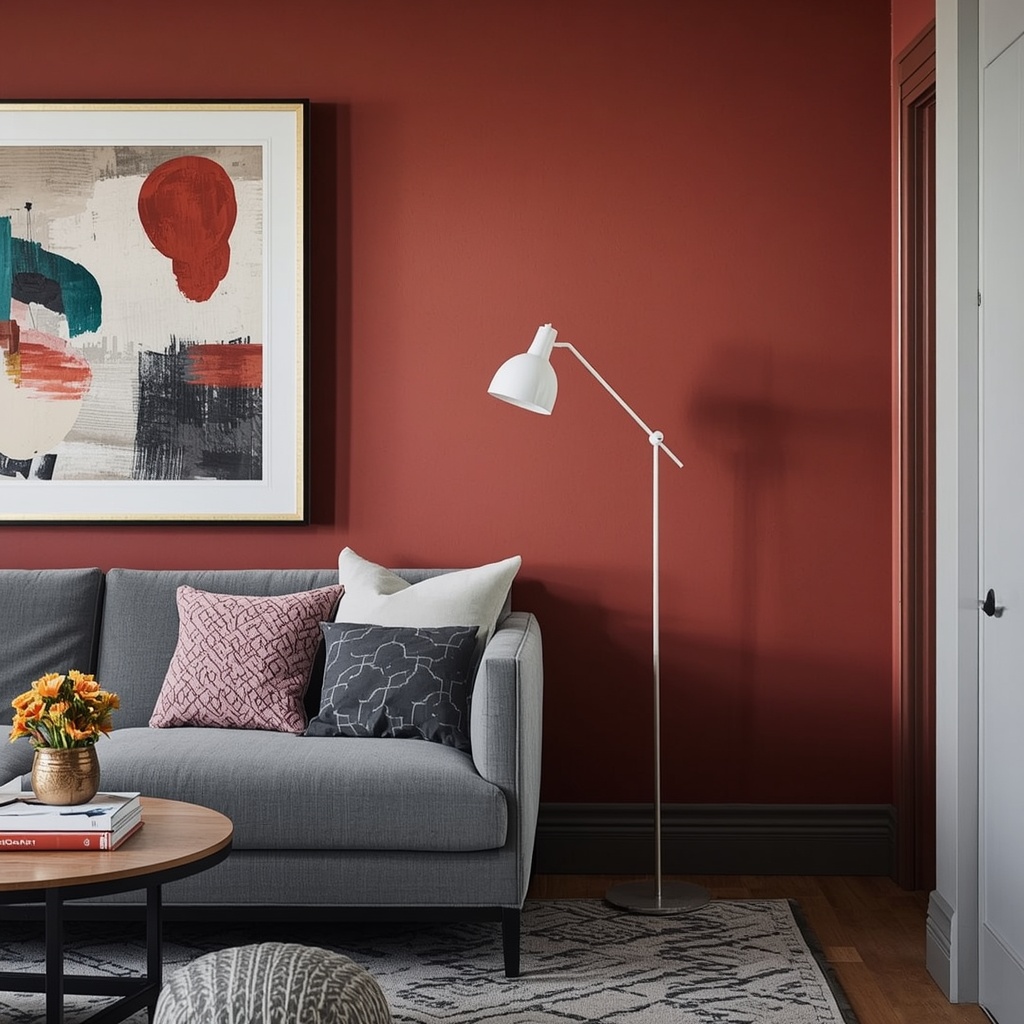
Step 2: Consider your light source. North-facing rooms receive cool, indirect light — they can handle warmer, earthier tones to compensate. South-facing rooms flood with warm light and can support cooler blues and greens without feeling cold. Always test paint samples on the actual wall and observe them at different times of day before committing.
Step 3: Think about the emotional experience you want. Bold color is ultimately about feeling. Do you want a home office that energizes you? Try a saturated teal or olive green. Do you want a bedroom that wraps you in calm? Deep navy or dusty mauve will deliver. Do you want a dining room that makes every meal feel like a celebration? A warm terracotta or burgundy is your answer.
Step 4: Test, test, test. Never commit to a quart — let alone a gallon — without testing first. Order sample pots or use peel-and-stick paint swatches (Samplize is a great tool for this) to see colors on your actual wall before committing.
Paint Finish Guide: Which Sheen Works for Bold Colors?
| Finish | Sheen Level | Best For | Notes |
|---|---|---|---|
| Flat/Matte | None | Bedrooms, Low-Traffic Areas | Hides imperfections; not washable |
| Eggshell | Very Low | Living Rooms, Dining Rooms | Slight sheen; more durable than flat |
| Satin | Medium-Low | Hallways, Kids’ Rooms | Easy to clean; good durability |
| Semi-Gloss | Medium-High | Trim, Kitchens, Bathrooms | Very washable; reflects light |
| High-Gloss | Very High | Accent Details, Doors | Extremely durable; shows imperfections |
For bold, saturated walls, eggshell or satin is almost always the best choice. It gives the color depth without the reflectivity of semi-gloss, and it’s durable enough for everyday living. Save flat finish for ceilings or very low-traffic areas.
Designer-Approved Color Combinations for Bold Walls
One of the biggest fears homeowners have is pairing bold wall colors with the rest of their decor. Here are five combinations that consistently work beautifully in American homes:
1. Emerald Green + Warm Wood + Brass Classic, luxurious, and timeless. This combination is everywhere in high-end interior design right now — and for good reason. The green grounds the space, the wood adds warmth, and the brass pulls everything together.
2. Terracotta + Cream Linen + Black Iron This Southwest-meets-European farmhouse combination feels both earthy and elevated. It works beautifully in open-plan living and dining spaces.
3. Deep Navy + White Oak + Gold A sophisticated, layered palette that leans transitional. Works especially well in home offices, libraries, and formal living rooms.
4. Charcoal + Warm White Trim + Natural Rattan The contrast between the dark wall and crisp white trim is architectural and intentional. The rattan softens the drama without diluting it.
5. Dusty Mauve + Warm Gray + Antique Silver An underrated, ultra-sophisticated combination that works beautifully in primary bedrooms. Romantic without being overly feminine.
Common Mistakes to Avoid When Going Bold
- Skipping primer: Dark and saturated colors require a tinted primer. Skipping this step leads to uneven coverage and color that looks washed out. Ask your paint store to tint the primer to within a shade of your final color.
- Painting only one wall: An accent wall can absolutely work, but make sure it’s the right wall — typically the wall your eye naturally travels to first when entering the room.
- Ignoring the ceiling: If you’re going dark or bold, consider how the ceiling relates. A stark white ceiling with a very dark wall can feel jarring. Painting the ceiling one to two shades lighter than the wall creates a more cohesive, enveloping effect.
- Choosing based on the paint chip alone: Paint chips are tiny and viewed under artificial lighting. Always test on the wall. Colors almost always look more intense on a large surface.
- Forgetting about the trim: Bold walls need considered trim. Bright white trim against a moody wall can feel harsh; warmer white or tinted-to-match trim often looks more intentional.
Resources Worth Bookmarking
- Benjamin Moore Color Trends — updated annually with curated palettes
- Sherwin-Williams ColorSnap Visualizer — upload a photo of your room and test colors virtually
- Samplize Peel-and-Stick Paint Samples — the best way to test colors without painting
- Farrow & Ball Color Library — premium, complex pigments for serious color lovers
Final Thoughts: Be Brave, Then Be Braver
Here’s the truth that I tell every client who sits down with me nervous about going bold: you can always paint over it. Paint is the most reversible design decision you will ever make. The cost of repainting is always lower than the cost of living in a home that doesn’t excite you.
The homes that people remember — the ones that end up in design publications, on social media, in everyone’s saved folders — are homes where someone made a decision about color. They committed. They went deep, or rich, or warm, or dramatic, and the room responded by becoming something extraordinary.
So the next time you’re standing at the paint counter staring at 47 shades of beige, do yourself a favor: walk over to the deep blues. Pick up the forest green. Seriously consider that terracotta. Your walls — and your home — deserve it.