
Have you ever walked into a beautifully designed room and felt something — a warmth, a depth, an energy — but couldn’t quite name what made it feel so alive? Nine times out of ten, the answer isn’t the paint color or even the furniture. It’s texture and detail. These two design principles are the secret language of every stunning interior, and once you learn to speak it, your home will never look flat or forgettable again.
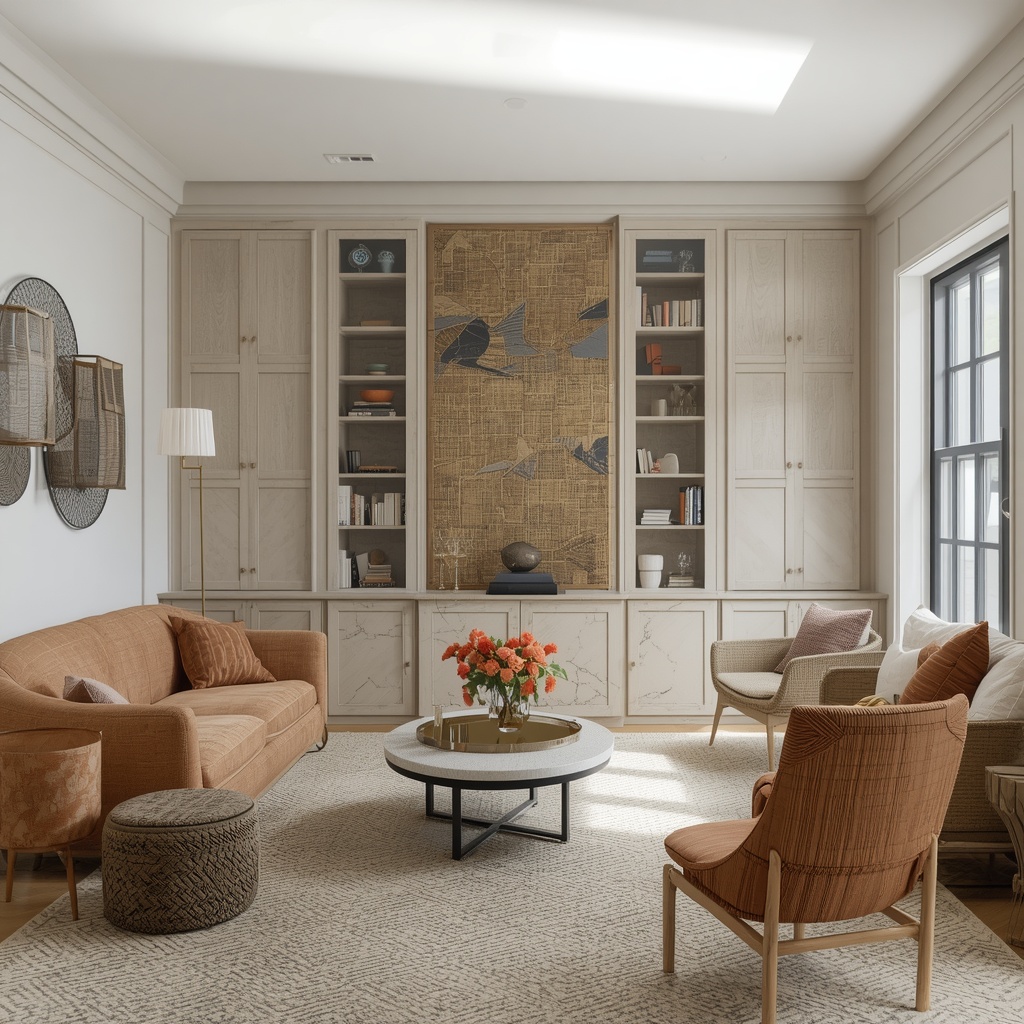
Whether you’re starting from scratch in a new build or giving your existing space a fresh refresh, understanding how to layer tactile surfaces, visual patterns, and thoughtful architectural details can completely transform the way a room feels — and functions. Let’s dive deep into how you can use texture and detail to create a home that tells your story.
Why Texture Is the Most Underrated Element in Interior Design
Most homeowners focus on color palettes and furniture layouts when redecorating — and while those matter, surface texture is what brings a space to life. Texture affects how light bounces around a room, how cozy or airy a space feels, and even how sound travels through it. It’s the difference between a room that looks like a showroom catalog and one that feels genuinely livable.
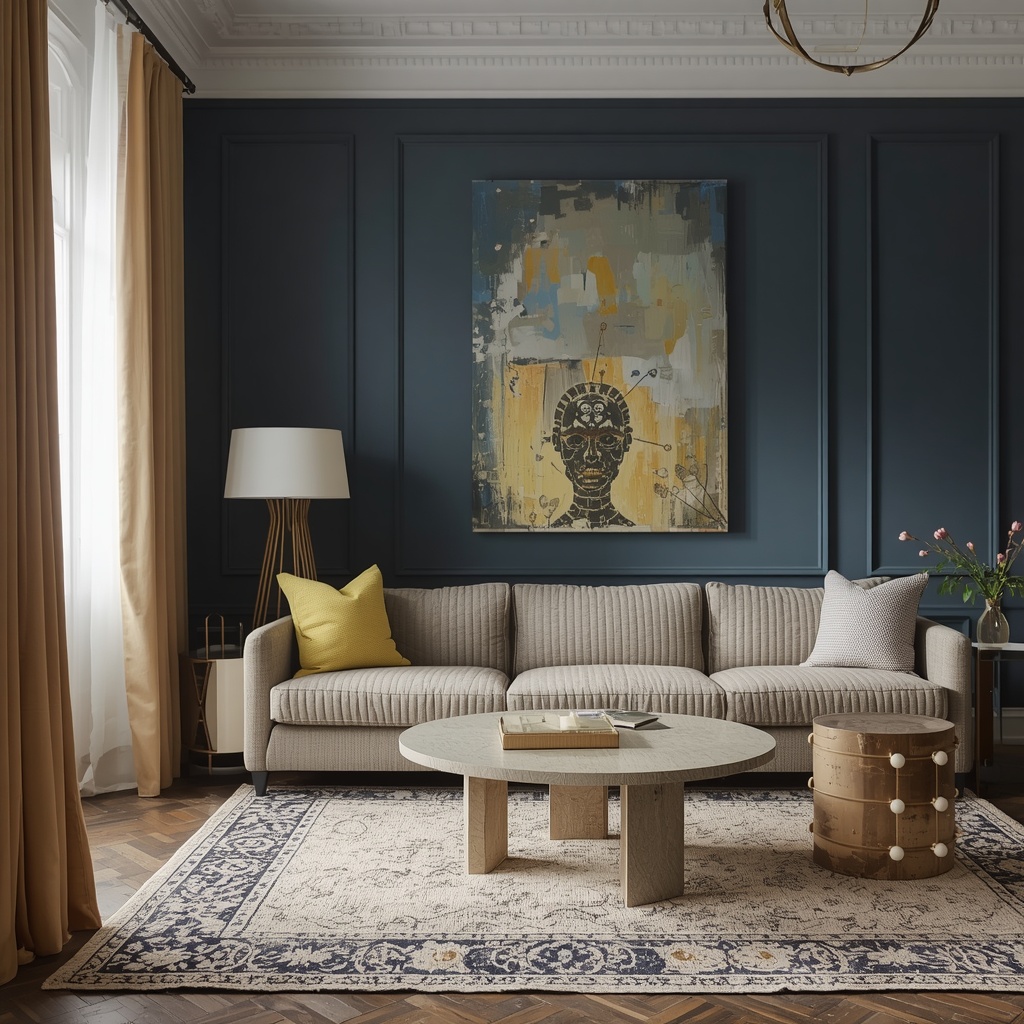
Texture in interior design falls into two categories: tactile texture (what you can physically feel — the nubby weave of a linen throw, the rough grain of a reclaimed wood beam) and visual texture (patterns and surfaces that appear three-dimensional even if they’re flat, like a grasscloth wallcovering or a geometric tile backsplash). Both types play distinct roles, and the most well-designed homes use them together in perfect balance.
Think of your room as a layered canvas. A smooth, monochromatic space may be minimal and clean, but it can also read as cold and sterile. Adding a jute rug underfoot, a chunky knit throw over the sofa, or a reclaimed wood coffee table immediately introduces warmth and dimension. You haven’t changed the bones of the room — you’ve changed its soul.
“Texture is the quiet storyteller of a room. It doesn’t shout for attention, but it’s what you remember long after you’ve left.” — Interior Design Philosophy
How to Layer Textures Like a Pro
Layering textures is an art form, but it follows a reliable framework. The goal is to create contrast without chaos — pairing rough with smooth, matte with sheen, hard with soft. Here’s a simple method I use with every client:
The Rule of Three Textures: In any given vignette (a styled corner, a console table, a living room seating area), aim to include at least three distinct textures. A velvet sofa (soft), a marble side table (cool and smooth), and a woven basket (organic and rough) create visual tension that keeps the eye engaged and the space interesting.
Anchor with a Dominant Texture First: Start with your largest surface — the rug, the upholstery, or the wall treatment. This sets your textural “key.” From there, you’re adding supporting notes. If your dominant texture is chunky and rustic (think a sisal rug or a distressed leather sectional), balance it with sleeker accents — lacquered trays, polished brass hardware, or mirrored surfaces.
Don’t Forget the Ceiling and Walls: American homeowners often treat ceilings as an afterthought, but adding texture there — through exposed wooden beams, a coffered design, shiplap, or even a textured wallcovering — creates a sense of architectural richness that instantly elevates a room’s character. Accent walls covered in Venetian plaster, board and batten, or peel-and-stick stone veneer panels are all accessible ways to add depth without major renovation costs.
Mix Natural and Manufactured Textures: Some of the most beautiful interiors I’ve designed blend organic materials like linen, rattan, stone, and wood with more refined manufactured textures like velvet, polished concrete, or lacquered finishes. This mix of raw and refined is the hallmark of contemporary American home design.
The Power of Architectural Detail
Beyond soft furnishings and decorative accessories, architectural detail is the backbone of a layered interior. These are the structural and built-in features that give a room its character long before a single piece of furniture is placed.
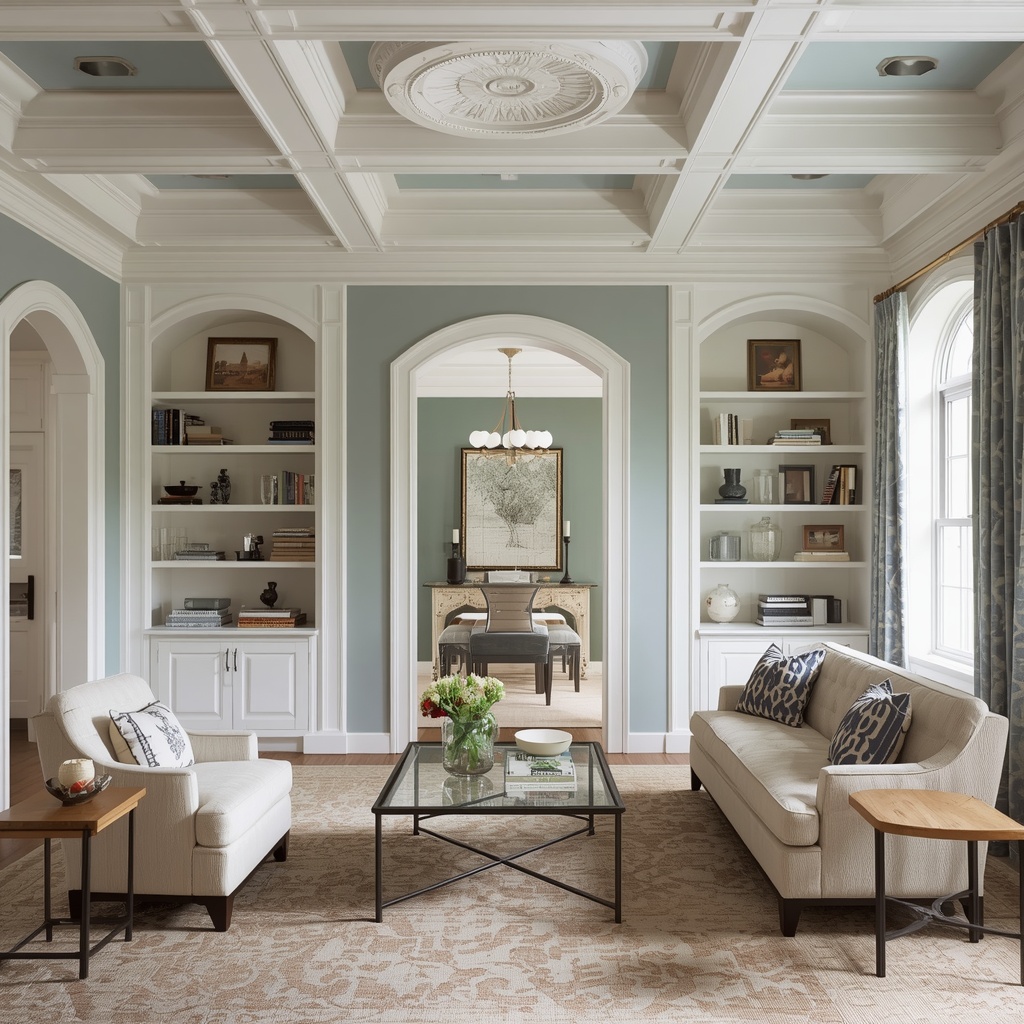
Crown molding, wainscoting, coffered ceilings, arched doorways, built-in bookshelves, and decorative ceiling medallions — these details don’t just add beauty, they add perceived value to your home. According to the National Association of Realtors, homes with distinctive architectural features consistently sell faster and at higher price points than those without.
You don’t need a massive renovation budget to introduce architectural detail. Here are some of the most impactful — and affordable — options popular with US homeowners right now:
| Architectural Detail | Estimated DIY Cost | Design Impact |
|---|---|---|
| Board and Batten Accent Wall | $150–$400 | High — adds depth and structure |
| Crown Molding (one room) | $200–$600 | High — elevates ceiling height perception |
| Wainscoting | $300–$800 | High — classic, timeless, works in any style |
| Coffered Ceiling (DIY kit) | $500–$1,200 | Very High — dramatic architectural statement |
| Decorative Wall Niches | $100–$300 | Medium — adds display and focal interest |
| Shiplap Feature Wall | $200–$500 | High — cozy, farmhouse-meets-coastal appeal |
💡 Pro Tip: If you’re renting or working with a tight budget, peel-and-stick 3D wall panels have come an incredibly long way. Brands like WallArt and options available on Amazon now offer convincing stone, brick, and geometric textures that install in hours and remove cleanly. Game-changer for apartment dwellers.
Textural Decorating by Room: A Room-by-Room Guide
Living Room
The living room is your textural playground — it’s where guests spend most of their time, and it’s where layering has the biggest visual payoff.
Start with a large-scale area rug that introduces your foundational texture. A wool or viscose blend offers both durability and a soft, lustrous finish. Layer over it with upholstered furniture in contrasting fabrics — a linen sofa pairs beautifully with velvet accent chairs. Add a chunky knit throw, ceramic or stone decorative objects, and metallic accent pieces in brass or matte black to complete your tactile palette.
Don’t overlook window treatments as a textural element. Heavy linen drapes, bamboo Roman shades, or layered sheers with blackout panels all add depth, soften hard architectural lines, and frame views beautifully.
Bedroom
The bedroom is all about sensory comfort. This is where tactile texture matters most because you physically interact with every surface — so prioritize feel as much as visual appeal.
Layer your bed in a mix of materials: crisp percale cotton sheets beneath a linen duvet cover, topped with a chunky waffle-weave blanket and a velvet or faux fur throw. A tufted or upholstered headboard adds visual softness and absorbs sound, making the room feel quieter and more serene. Nightstands in natural wood or rattan balance out the smoothness of bedding beautifully.
For walls, consider a textured wallcovering behind the bed — grasscloth, linen-look wallpaper, or even a DIY limewash paint technique adds so much character without overwhelming a smaller space.
Kitchen and Dining
Texture in the kitchen and dining area is often functional as well as decorative. Think about the interplay between your tile backsplash (glossy, matte, or handmade and irregular), your countertop material (polished quartz vs. honed marble vs. butcher block), and your cabinetry finish (painted, stained, or lacquered).
Open shelving is a powerful textural tool in kitchens — it allows you to display ceramics, cutting boards, glassware, and woven baskets that all add visual layers.
In the dining room, a statement light fixture with texture (woven rattan, hammered metal, or sculptural glass) instantly becomes a design anchor. Pair it with a mix of seating — upholstered dining chairs alongside wooden or cane-backed chairs — for a collected, curated look.
Bathroom
Even the bathroom deserves textural intention. Swap a flat shower curtain for one in a waffle-weave cotton or linen. Add a teak bath mat or a plush Moroccan-style runner. Install a vessel sink in rough stone or a textured ceramic for a spa-like focal point.
Textured tile is having a major moment right now — fluted, scalloped, and zellige tiles are everywhere in American bathroom design, and for good reason. They catch light beautifully and transform even the most basic bathroom into something that feels considered and luxurious.
Top Textures Trending in US Home Decor Right Now
Staying current doesn’t mean chasing every trend, but knowing what’s resonating in the American design landscape helps you make choices that feel fresh rather than dated.
- Limewash Paint — the number one wall finish trending on social media and in design publications. Layered, chalky, and deeply atmospheric.
- Boucle Upholstery — the nubby, looped fabric is the decade’s favorite sofa and chair material for good reason — it photographs beautifully and feels even better.
- Japandi Textures — a blend of Japanese minimalism and Scandinavian coziness, emphasizing natural wood grains, matte ceramics, and linen in earthy neutrals.
- Curved Furniture — rounded shapes add a tactile softness that squares and right angles simply can’t, softening rooms and making them feel more welcoming.
- Fluted Wood Panels — grooved, ribbed wood paneling used as a feature wall, cabinet front detail, or furniture leg adds gorgeous architectural texture.
- Natural Stone Accents — travertine, marble, and quartzite countertops, side tables, and accessories continue to dominate US interior wish lists.
- Rattan and Cane — organic woven materials bring warmth, lightness, and a relaxed coastal or bohemian quality to any room.
Common Texture Mistakes to Avoid
Even experienced decorators can fall into these traps. Here’s what to watch out for:
- Too Much of One Texture — A room full of smooth, shiny surfaces feels cold and clinical. All rough, matte textures can feel heavy and cave-like. Contrast is everything.
- Ignoring Scale — Large-scale patterns and textures work in larger rooms; small-scale textures suit tighter spaces. A massive chunky wool rug in a tiny bedroom overwhelms the room.
- Forgetting the Floor — Your floor is the largest surface in any room. A bare hardwood floor is beautiful but needs a rug to add warmth, define zones, and introduce another textural layer.
- Matching Instead of Mixing — A common mistake is buying an entire matching furniture set. Design rooms that look collected over time — mixing wood tones, fabric types, and material finishes creates authenticity and visual interest.
- Neglecting Lighting’s Role — Texture is only visible because of light. Directional, layered lighting (ambient + task + accent) is essential to actually see and appreciate the textures you’ve carefully chosen.
A Quick-Start Checklist: Add Texture to Any Room Today
Not sure where to begin? Use this checklist to immediately start adding depth to any room in your home — most of these can be done this weekend:
- [ ] Swap out a flat throw blanket for a chunky knit, waffle-weave, or faux fur option
- [ ] Add or replace your area rug with one in a more interesting material (jute, wool, vintage-style)
- [ ] Layer two or three throw pillows in contrasting fabrics — mix a velvet with a linen and an embroidered or patterned option
- [ ] Introduce a woven basket or two for storage that doubles as decor
- [ ] Add a wooden or stone decorative object to a bookshelf or coffee table
- [ ] Try a textured candle holder, vase, or ceramic bowl as a centerpiece
- [ ] Consider peel-and-stick wallpaper or 3D wall panels on one accent wall
- [ ] Hang curtains — even simple linen panels — to soften windows and add fabric texture to walls
Final Thoughts: Your Home Deserves Depth
The most beautiful, magazine-worthy homes aren’t the result of an unlimited budget — they’re the result of intentional layering. Texture and detail are what separate a house from a home, a room from a retreat. When you start seeing your space through the lens of surface, material, and tactile experience, design decisions become clearer, more confident, and far more rewarding.
Start small, stay curious, and never underestimate the power of something as simple as a rough-hewn wooden bowl on a smooth marble countertop. That contrast — that dialogue between surfaces — is the heartbeat of great interior design.
Your home has a story to tell. Let texture and detail be the words.
Have questions about transforming a specific room in your home? Drop them in the comments below — I’d love to help you find your textural language.
Related Reading:
- How to Choose the Right Area Rug for Every Room
- The Beginner’s Guide to Mixing Metals in Home Decor
- Limewash Paint: Everything You Need to Know