
Walking into a thrift store can feel a little overwhelming — rows of mismatched furniture, shelves packed with dusty trinkets, and racks of fabric that haven’t seen daylight in years. But here’s what I tell every client who wants a beautiful, character-filled home without blowing their budget: the thrift store is the most underrated design tool available to American homeowners. Some of my favorite pieces in my own home cost less than $15, and people ask about them every single time they visit.
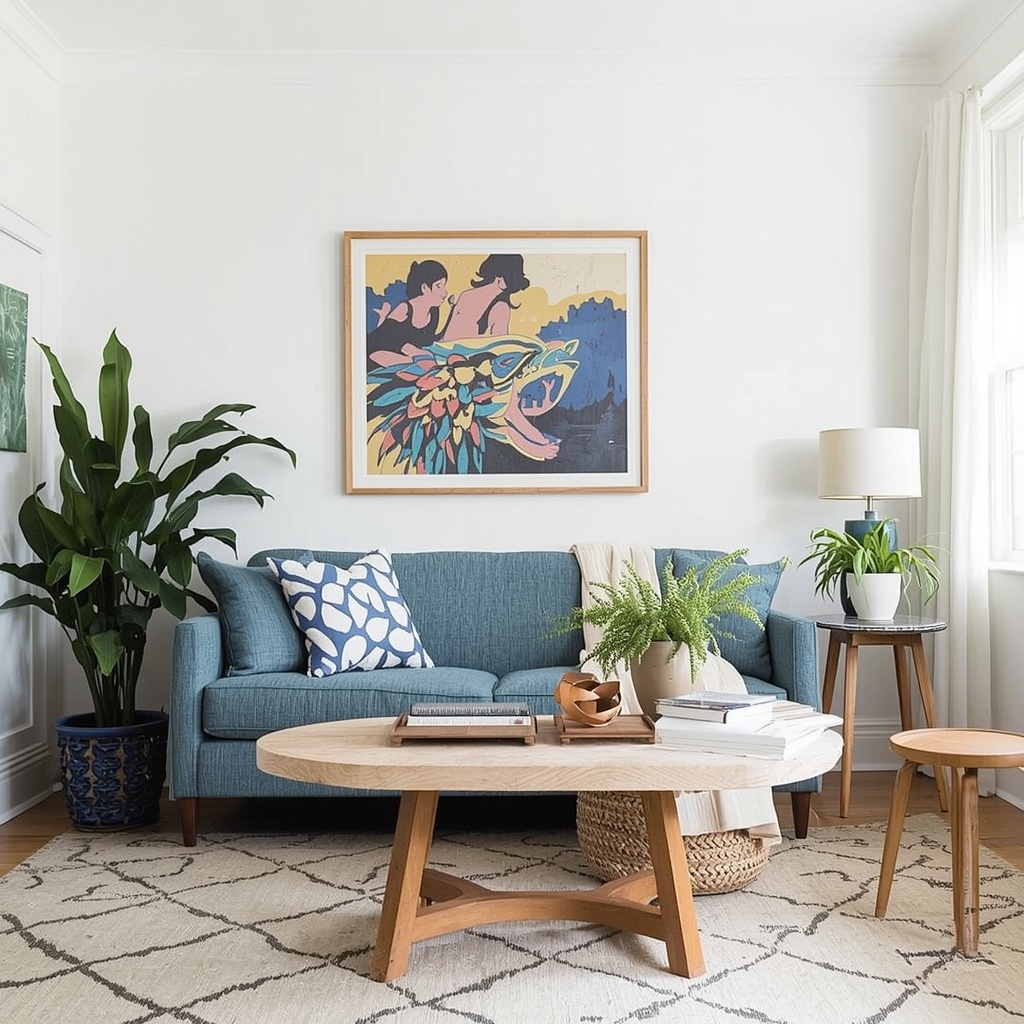
Whether you’re a seasoned thrifter or just curious about starting, this guide will show you exactly what to hunt for, what to skip, and how to turn secondhand finds into stunning home décor. Let’s dive in.
Why Thrift Stores Are a Gold Mine for Home Décor
There’s a reason interior designers — professionals who could buy anything — regularly shop at Goodwill, Salvation Army, Habitat for Humanity ReStores, and local consignment shops. Quality. Older furniture and décor items were frequently made with solid wood, thick glass, and hand-finished details that simply aren’t replicated in today’s mass-market furniture. You’re not just saving money; you’re often upgrading in quality.
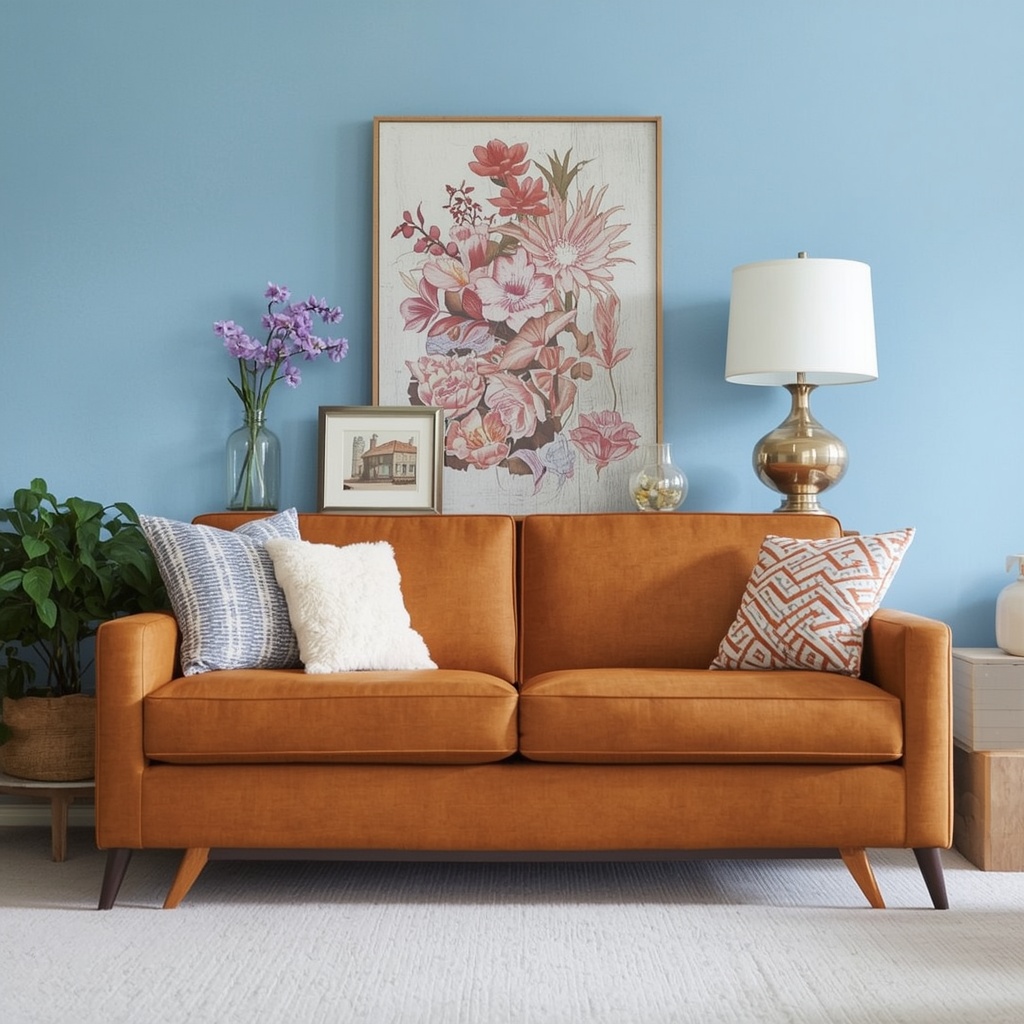
Beyond quality, thrift shopping supports sustainability. The U.S. generates millions of tons of furniture and household waste annually, and giving pre-loved items a second life is one of the most environmentally responsible choices a homeowner can make. It also gives your home something priceless: a story. Curated, eclectic spaces feel lived-in and intentional in a way that a fully catalog-bought room never quite achieves.
“The most beautiful homes I’ve ever designed weren’t the most expensive — they were the most personal. And nothing adds personality like a piece with history.”
Top Thrift Store Finds Every Home Decorator Should Look For
1. Solid Wood Furniture
This is the single most important category to shop secondhand. Solid wood furniture — dressers, side tables, bookshelves, dining chairs — is extraordinarily durable and endlessly refinishable. A dated oak dresser from the ’80s can be sanded, painted in a moody navy or warm cream, and fitted with new hardware to become a showpiece in any bedroom.
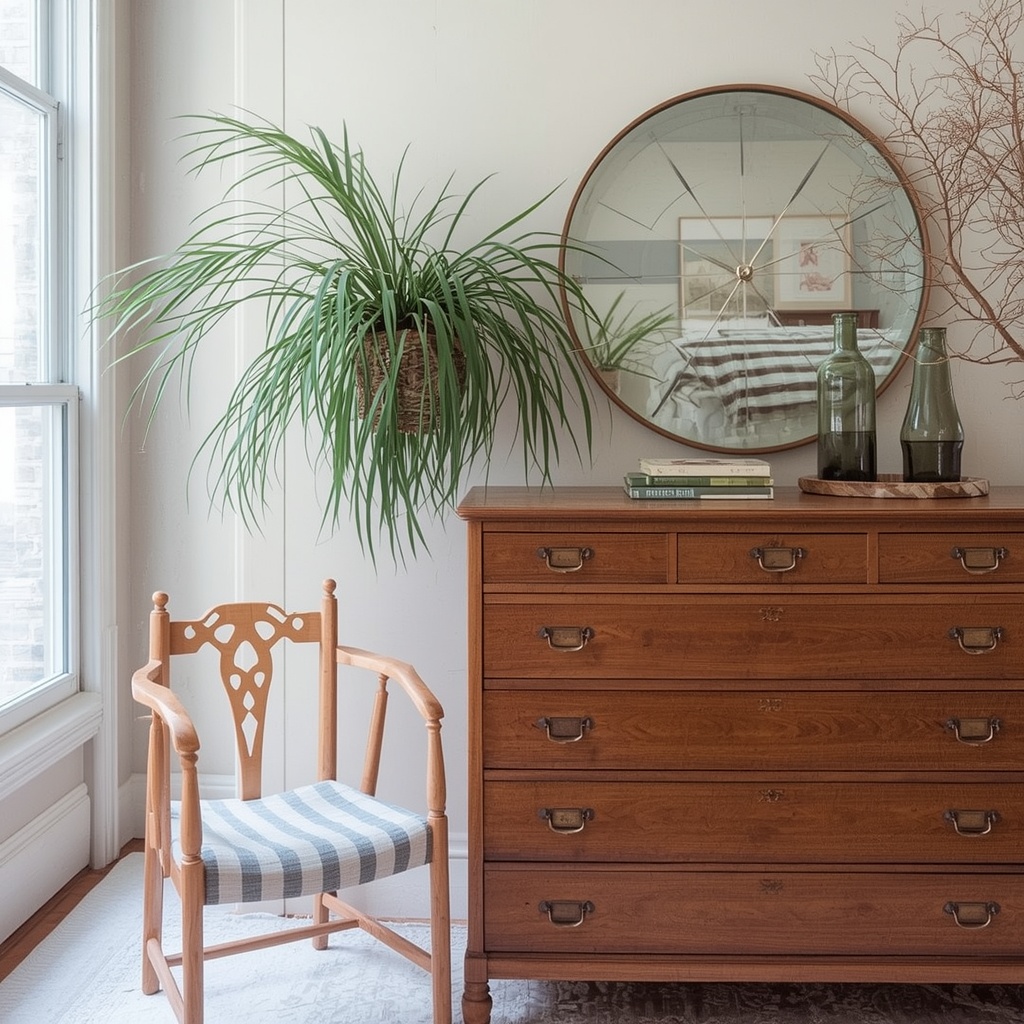
When thrift shopping for furniture, always flip pieces over and look underneath. Knock on surfaces. If it sounds hollow, it’s likely particleboard or MDF. If it sounds dense and heavy, you’ve found solid wood. Look for dovetail joints in drawers — a sure sign of quality craftsmanship.
What to look for:
- Dressers and chests of drawers
- Accent tables and nightstands
- Dining chairs (can be reupholstered)
- Bookshelves and storage units
- Wooden bar carts and trolleys
Pro Tip: Don’t let color or hardware scare you off. A coat of chalk paint (Rust-Oleum and Annie Sloan are designer favorites) and $30 in new pulls from Amazon or Anthropologie can turn a $12 thrift store dresser into a $400-looking statement piece.
2. Mirrors of All Shapes and Sizes
Mirrors are one of the most impactful décor elements in interior design, and they are consistently overpriced at retail. At thrift stores, you can find ornate, heavy, beautifully framed mirrors for a fraction of retail cost — sometimes as little as $5–$25.
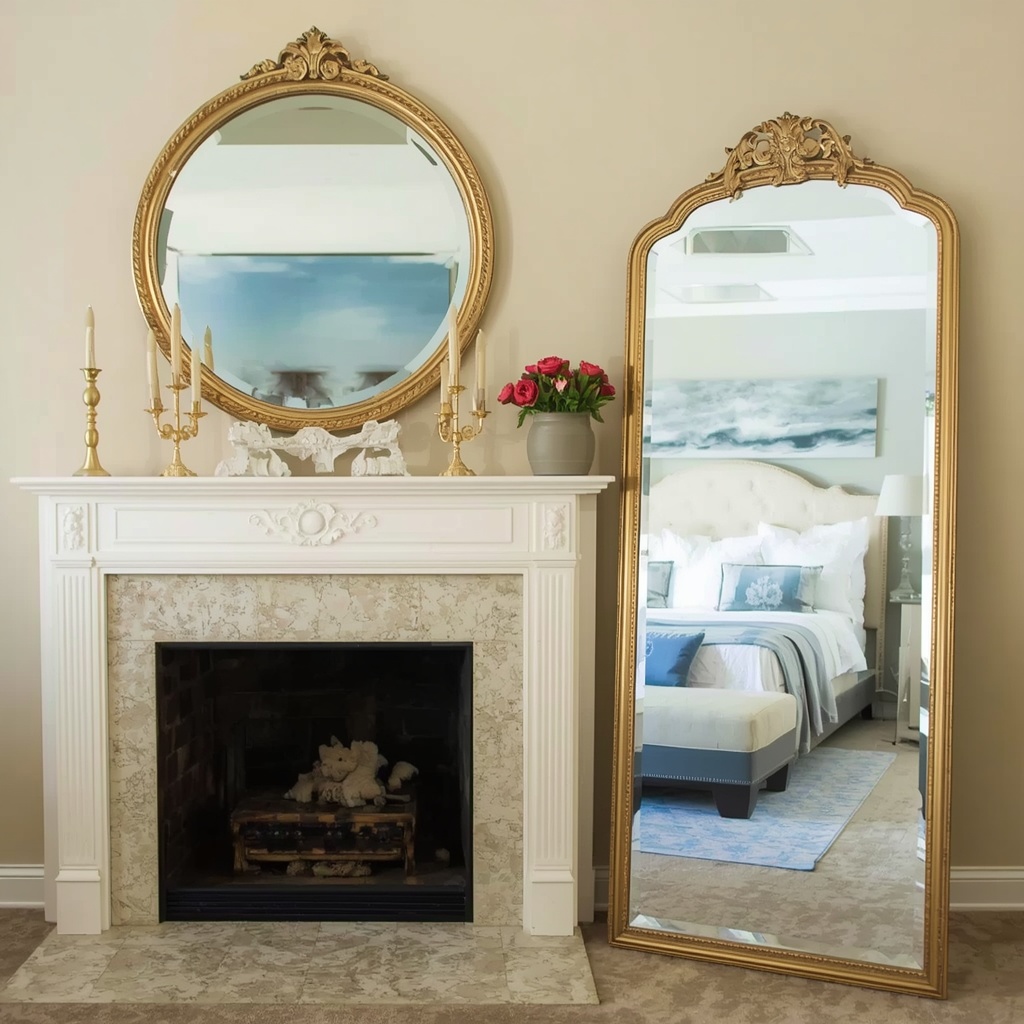
Mirrors open up small spaces, bounce natural light, and add architectural interest to blank walls. A large ornate gold mirror over a fireplace. A cluster of smaller mismatched mirrors on a gallery wall. A full-length beveled mirror leaning against a bedroom wall. These are designer tricks, and they work spectacularly with thrifted finds.
Even if the frame looks dated or damaged, the mirror glass itself is often in perfect condition. A can of gold or black spray paint can transform an outdated frame in under an hour.
| Mirror Style | Best Room Placement | Design Style It Suits |
|---|---|---|
| Ornate gold/gilded | Living room, entryway | Traditional, maximalist, glam |
| Simple wood frame | Bedroom, bathroom | Scandinavian, farmhouse, boho |
| Sunburst style | Living room, hallway | Mid-century modern, eclectic |
| Industrial metal frame | Office, bathroom | Industrial, modern, loft |
| Full-length | Bedroom, dressing room | Any style |
3. Vintage Artwork and Prints
Original artwork — even by unknown artists — adds soul to a room that no mass-produced print ever can. Thrift stores regularly receive donated paintings, framed prints, and photography. You don’t need to find a hidden Picasso (though it has happened!) to score something genuinely beautiful.
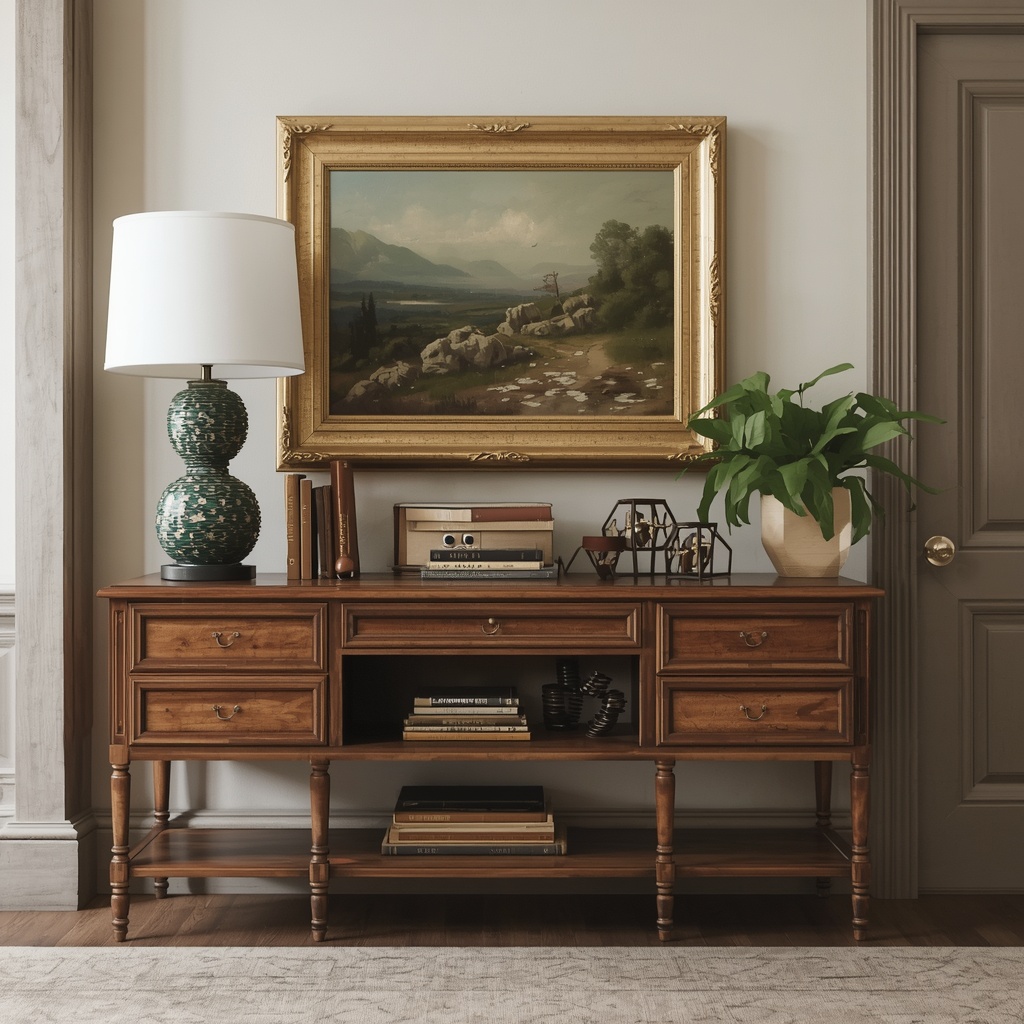
Landscape oil paintings, botanical prints, abstract watercolors, and vintage travel posters are particularly popular right now in American interior design trends. Even if a painting’s subject isn’t your style, consider the frame — a quality ornate frame can be repurposed for a mirror or a personal photograph.
Look for art at eye level — stores often hang or display their best pieces prominently. And always check the back of artwork for any artist signatures, dates, or provenance that could make the piece particularly special.
“I always tell my clients: don’t think about what a piece of art is — think about what it does to the room. Does it add warmth? Color? Scale? That’s what matters.”
Pro Tip: Group thrifted art in a gallery wall arrangement to create a curated, high-end look. Mix frame sizes, shapes, and colors intentionally — odd numbers (3, 5, 7 pieces) almost always look better than even groupings.
4. Ceramic, Stoneware, and Pottery
Handmade ceramics and pottery are having a major moment in American home décor — and they can cost a fortune at boutique home stores. Thrift stores are overflowing with ceramic vases, stoneware bowls, decorative pots, and handmade mugs that fit right into trending aesthetic styles like cottagecore, organic modern, and wabi-sabi.
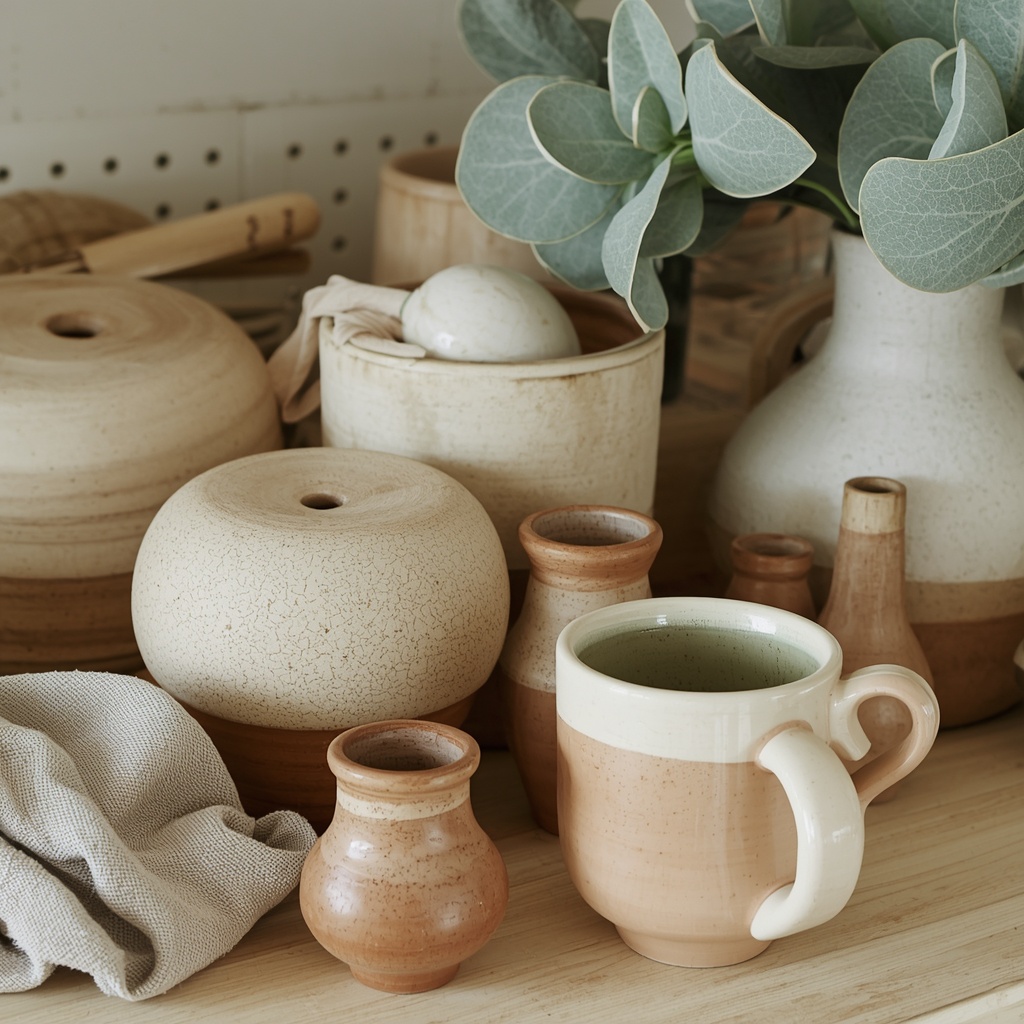
Look for pieces with interesting textures, glazes, or forms. Earthy tones — terracotta, sage green, cream, rust — are particularly on-trend and pair beautifully with natural wood and linen textures that define the organic modern interior style.
Ceramics to prioritize:
- Tall floor vases for entryways and living rooms
- Decorative bowls for coffee tables and kitchen counters
- Unique mugs and pitchers for open shelving displays
- Planters for indoor plants
- Candlestick holders in interesting shapes
5. Lamps and Lighting Fixtures
Good lighting is the secret weapon of every skilled interior designer, and it’s one of the most expensive categories at retail. A single designer table lamp can run $200–$600. At the thrift store? The same quality can often be found for $10–$30.
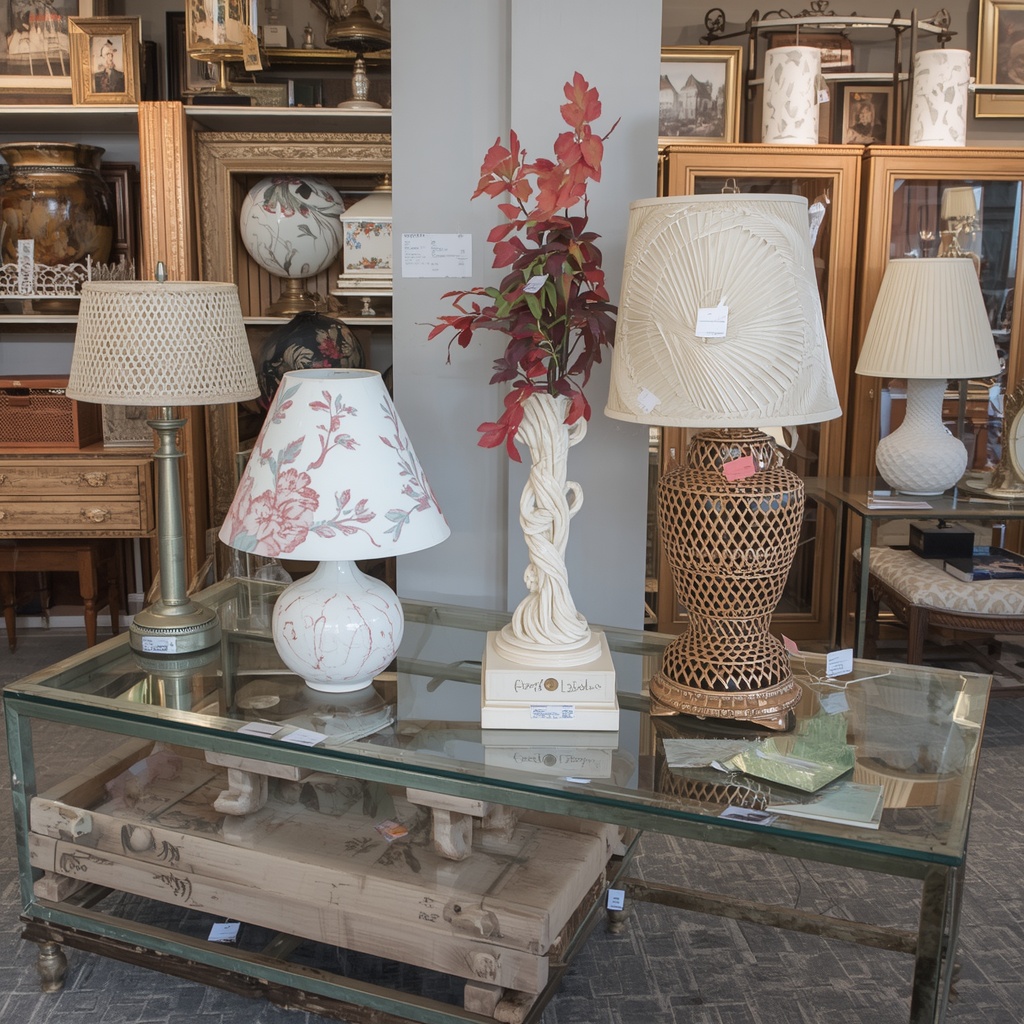
The lamp base is what you’re really evaluating — shades are cheap and easy to replace. Look for bases made of ceramic, brass, rattan, wood, or heavy glass. Avoid thin plastic or flimsy bases that feel unstable.
Once home, simply replace the existing shade with a fresh white or linen drum shade (widely available at Target, HomeGoods, or Amazon for $15–$30), rewire if necessary, and you have a designer-quality lamp at a fraction of retail cost.
| Lamp Base Material | Interior Style It Fits | Average Thrift Store Price |
|---|---|---|
| Ceramic with glaze | Boho, eclectic, traditional | $8–$20 |
| Brass or gold metal | Glam, traditional, art deco | $10–$30 |
| Rattan or bamboo | Coastal, boho, natural | $5–$18 |
| Dark wood turned | Farmhouse, transitional | $10–$25 |
| Heavy glass | Modern, minimal, coastal | $8–$22 |
6. Woven Baskets and Natural Fiber Pieces
Wicker baskets, seagrass trays, rattan storage bins, and woven wall hangings are staples of modern American home décor — and they thrift exceptionally well. Unlike upholstered pieces, woven items don’t carry the same hygiene concerns, and they hold up beautifully over time.
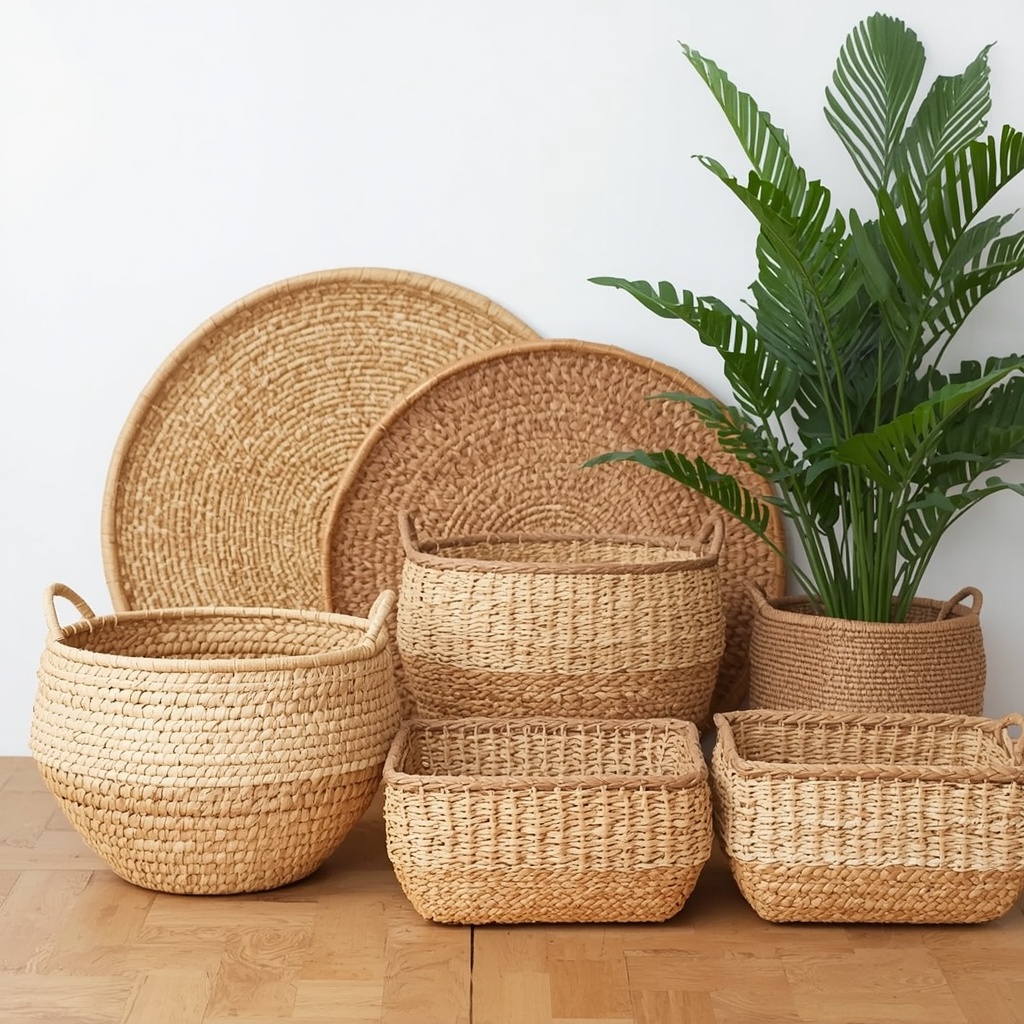
Use baskets for stylish storage in every room: blanket storage in living rooms, toy bins in kids’ rooms, produce holders in kitchens, towel storage in bathrooms. Stack them in varying sizes for a layered, organic look that feels intentional and warm.
Woven wall hangings are particularly strong thrift store scores. Handmade macramé and woven textile art from the ’70s and ’80s is having a massive design revival, and these pieces sell for $50–$200+ in boutique home stores.
7. Glassware and Barware
Crystal decanters, vintage cocktail glasses, pressed glass serving bowls, and colored glassware are consistently undervalued at thrift stores and wildly overpriced at retail. For open shelving styling — a major trend in American kitchens and dining rooms — thrifted glassware is ideal.
Amber, green, and blue vintage glass pieces look stunning displayed on floating shelves or arranged in a styled vignette. Crystal decanters add an instant sophistication to a bar cart or sideboard. Mismatched colored wine glasses make for a chic, eclectic dinner table setting that feels far more intentional than a matching set.
Pro Tip: Hold glass up to the light to check for chips, cracks, or cloudiness before buying. Also look for the word “crystal” etched on the base — true crystal has a distinct ring when tapped and exceptional clarity.
8. Architectural and Decorative Accents
Some of the most exciting thrift store finds aren’t furniture at all — they’re decorative objects and architectural accents that add instant character to a space. Think bookends, candleholders, decorative trays, sculptural objects, and interesting tabletop pieces.
These are the items that make a room feel designed rather than just furnished. A pair of heavy brass bookends. A carved wooden bowl. An interesting sculptural figure. A vintage clock. These finishing touches are what separate a room that looks “done” from one that looks “put together.”
Checklist for decorative accents to watch for:
- [ ] Brass or bronze candleholders and candlesticks
- [ ] Decorative trays (lacquer, wood, metal)
- [ ] Bookends in interesting materials
- [ ] Vintage clocks (wall or mantel)
- [ ] Sculptural objects and figurines
- [ ] Decorative boxes and storage tins
- [ ] Globe or map-based accents
What to Skip at the Thrift Store
Not everything thrifted is worth the risk. Here’s what I recommend passing on:
- Upholstered furniture — Unless you plan to fully reupholster, avoid sofas, armchairs, and mattresses from thrift stores due to potential pest, mold, or hygiene concerns.
- Electronics — Hard to test in-store; risk of malfunction is high.
- Chipped or cracked ceramics — Structurally weakened and often not food-safe.
- Anything with visible mold or strong odors — Difficult to remediate fully.
- Recalled baby/children’s items — Always check product safety databases before buying.
How to Shop Thrift Stores Like a Professional
Developing a designer’s eye for thrift stores takes practice, but a few habits will help you score consistently:
- Go on restock days. Most thrift stores restock Tuesday–Thursday. Ask your local store when new items hit the floor.
- Shop with measurements. Always keep a tape measure and the dimensions of your key spaces in your phone so you’re not guessing.
- Look past the surface. Ignore paint colors, hardware, and dated upholstery — visualize the piece transformed.
- Build a mental mood board. Know your home’s color palette and style before you shop. This helps you buy with intention rather than impulse.
- Visit often. Inventory turns over constantly. Weekly visits are far more productive than monthly ones.
For the best thrift store resources and pricing guides, The Thrift Shopper is an excellent tool to locate stores near you and check donation schedules.The Interior Designer’s Bottom Line
The best-designed rooms aren’t the ones with the biggest budgets — they’re the ones with the most intention. Thrift stores level the playing field, giving every American homeowner access to quality materials, unique finds, and the building blocks of a truly personal home.
Start small. Pick one category — maybe mirrors, or ceramics — and focus your next few thrift trips on training your eye for that item. Over time, you’ll develop the instincts of a seasoned picker, and your home will reflect a depth and character that no catalog can replicate.