
By a Home Décor & Interior Design Expert
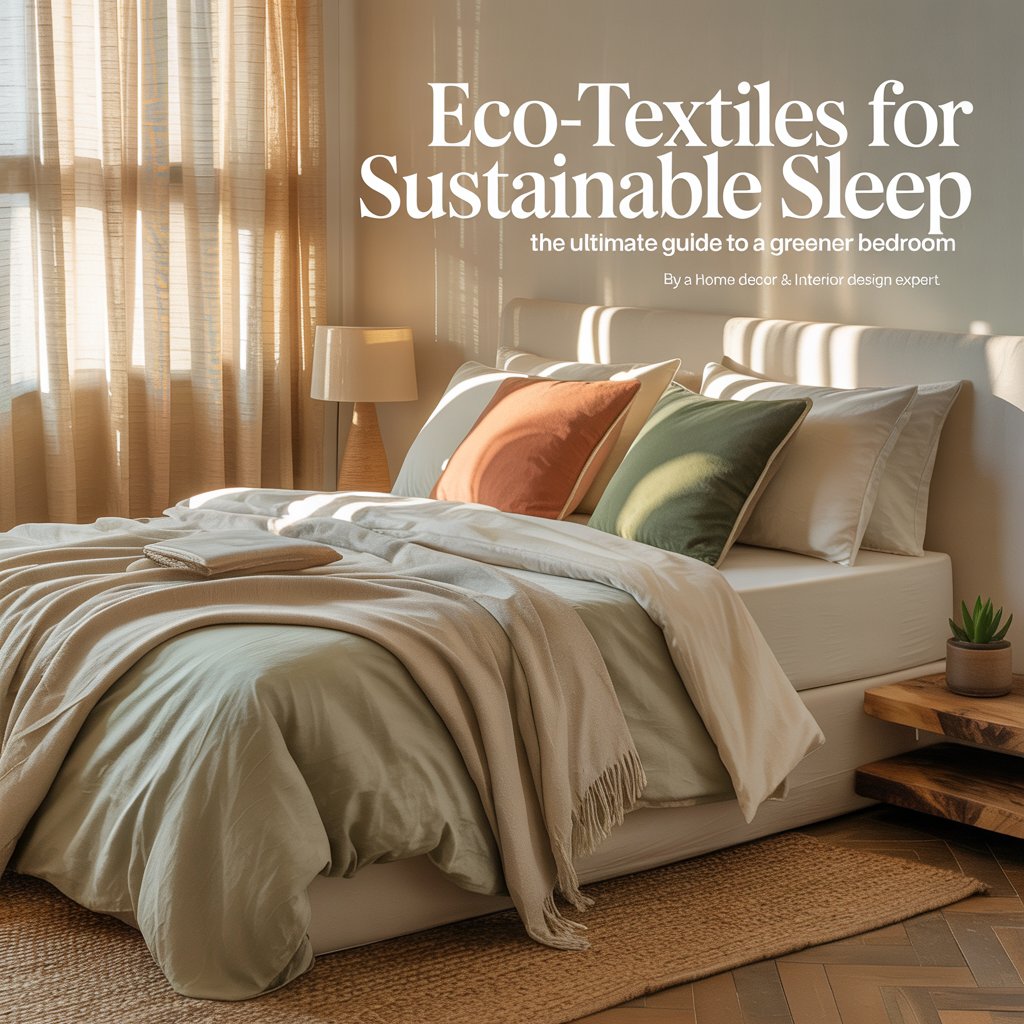
Getting a good night’s sleep is one of the most important things you can do for your health — but have you ever stopped to think about what your bedding is made of? Most conventional sheets, pillowcases, and comforters are loaded with synthetic chemicals, pesticide-treated fibers, and materials that quietly harm both your body and the planet. The good news? The eco-textiles movement has completely transformed what’s available for your sleep sanctuary, and American homeowners are finally paying attention.
In this guide, I’m walking you through everything you need to know about sustainable bedding, non-toxic sleep textiles, and how to create a bedroom that’s genuinely good for you, your family, and the earth. Whether you’re doing a full bedroom refresh or just swapping your sheets, this is the resource you’ve been looking for.
Why Your Bedding Choices Matter More Than You Think
Most of us spend between 7 and 9 hours in bed every single night. That’s roughly one-third of your entire life spent in direct contact with your sheets and pillowcases. When those textiles are made from chemically treated, petroleum-derived, or pesticide-heavy fibers, your body absorbs those toxins through your skin — night after night.

Conventional cotton, for example, is one of the most pesticide-intensive crops in the world. According to the Environmental Protection Agency (EPA), cotton farming uses approximately 6% of the world’s pesticides despite covering only 2.5% of agricultural land. Beyond the health implications, fast-fashion bedding contributes to textile waste, water pollution, and carbon emissions on a massive scale.
Choosing eco-friendly bedding fabrics isn’t just a lifestyle trend — it’s a meaningful decision that affects air quality in your bedroom, your hormonal health, and the sustainability of our environment. And honestly? Natural, sustainable textiles just feel better. Softer, more breathable, and more durable than their synthetic counterparts.
What Are Eco-Textiles, Exactly?
Eco-textiles are fabrics made using environmentally responsible processes — from how the raw material is grown or sourced, to how the fabric is dyed, finished, and packaged. In the context of sustainable sleep, this typically includes:

- Certified organic fibers grown without synthetic pesticides or fertilizers
- Naturally derived fabrics from plants, trees, or recycled materials
- Low-impact dye processes that don’t release heavy metals or toxic chemicals into waterways
- Fair-trade certified production that protects workers throughout the supply chain
The best eco-textiles carry certifications that verify their claims — because “natural” and “green” on a label means absolutely nothing without third-party verification.
The Top Eco-Textiles for Your Bedroom
1. GOTS-Certified Organic Cotton
Global Organic Textile Standard (GOTS) certification is the gold standard in organic bedding. GOTS-certified organic cotton sheets are grown without GMOs, synthetic pesticides, or harmful fertilizers — and the entire production chain must meet strict environmental and social criteria.

Organic cotton is soft, breathable, and excellent for hot sleepers. It’s also hypoallergenic, making it ideal for people with sensitive skin, allergies, or eczema. Look for thread counts between 200 and 400 for the best balance of softness and durability.
“A GOTS-certified sheet set is one of the single best investments you can make in your health. You’re quite literally sleeping inside it every night — quality matters.” — Sarah Barnett, Certified Interior Designer & Sustainability Consultant
Pro Tip: Don’t be fooled by “made with organic cotton” labels. That phrase can legally mean as little as 5% organic fiber content. Always look for 100% GOTS-certified organic cotton on the label.
2. Bamboo Lyocell (Tencel™)
Bamboo is one of the fastest-growing plants on earth, requiring no pesticides and very little water. When processed using a closed-loop lyocell method (as in Tencel™ branded fabric), the solvents are captured and reused — making it one of the most low-impact fabric production processes available.

Bamboo lyocell sheets are incredibly soft, naturally moisture-wicking, and temperature-regulating. They’re a dream for people who sleep hot or live in humid climates. They also have natural antimicrobial properties, which means less frequent washing — another win for the environment.
Bamboo bedding tends to have a beautiful, silky drape that elevates the look of any bedroom. From an interior design standpoint, it photographs beautifully in neutral tones and layers effortlessly with linen and cotton textures.
3. Linen (Flax-Based)
Linen is made from the flax plant, which grows abundantly in Europe with minimal water and zero need for irrigation or pesticides in most regions. It’s one of the oldest textiles in human history — and for good reason.
Linen bedding gets softer with every wash, is incredibly durable (lasting 20–30 years with proper care), and is naturally temperature-regulating. It feels cool in summer and insulating in winter. European flax linen certified by the OEKO-TEX Standard 100 label ensures no harmful substances were used in processing.
For interior design enthusiasts, linen brings that effortlessly chic, lived-in aesthetic that’s everywhere right now in American home décor — from coastal farmhouse to minimalist modern.
4. Hemp Fabric
Hemp is arguably the most sustainable fiber on the planet. It grows quickly, enriches the soil it’s planted in, requires no herbicides, and uses very little water. Hemp fabric is naturally resistant to mold, mildew, and UV rays, making it particularly durable.
Hemp sheets were once considered scratchy and rough, but modern processing techniques have made hemp-cotton blends genuinely soft and comfortable. Hemp also becomes softer over time, similar to linen.
It’s a particularly excellent choice for eco-conscious families who want bedding that can handle decades of use without wearing down.
5. Recycled Polyester Fill (rPET)
Not all sustainable textiles are plant-based. Recycled polyester — made from post-consumer plastic bottles — is increasingly used in comforter and pillow fills as an alternative to virgin polyester or down. Each queen-sized comforter fill can divert dozens of plastic bottles from landfills.
Look for rPET fills certified by the Global Recycled Standard (GRS) to verify the recycled content claims. While recycled polyester does shed microplastics in the wash (a genuine concern), using a microplastic-catching laundry bag like Guppyfriend significantly reduces this impact.
Certifications You Should Know
| Certification | What It Covers | Best For |
|---|---|---|
| GOTS (Global Organic Textile Standard) | Organic fiber content + ethical production | Cotton, linen, hemp textiles |
| OEKO-TEX Standard 100 | Tests finished products for 100+ harmful substances | All bedding types |
| Bluesign® | Chemical safety + resource efficiency in manufacturing | Synthetic and blended fabrics |
| Fair Trade Certified | Fair wages and safe conditions for workers | All textile categories |
| Global Recycled Standard (GRS) | Verified recycled content | rPET fills, recycled cotton |
| USDA Organic | Organic crop certification (not full textile chain) | Raw fiber sourcing |
“Certifications are your shortcut to trust. I always tell my clients: if a brand can’t point to third-party certification, move on.”
How to Build a Sustainable Sleep Sanctuary: Room by Room
Sheets and Pillowcases
Start here — this is where your skin has the most contact. Invest in GOTS-certified organic cotton or bamboo lyocell in your preferred weave (percale for crisp and cool, sateen for silky and warm). A quality set will last years and actually improve with washing.
Our top picks to research:
- Avocado Organic Cotton Sheets (GOTS-certified)
- Ettitude CleanBamboo™ Sheet Set
- Cultiver Linen Sheet Set (European flax)
Pillows
Conventional pillows are often filled with synthetic foam or polyester that off-gases volatile organic compounds (VOCs). Swap to:
- Shredded natural latex — responsive, breathable, and naturally antimicrobial
- Organic buckwheat hull — adjustable firmness, excellent airflow
- Kapok fiber — a silky plant-based down alternative, incredibly soft
Look for GOTS or OEKO-TEX certified pillow shells regardless of the fill.
Comforters and Duvets
Responsible down (look for the Responsible Down Standard, or RDS, certification) ensures geese and ducks were treated humanely. If you prefer vegan bedding, opt for:
- Organic cotton batting
- rPET recycled fiber fill
- Kapok or wool fill (wool is naturally temperature-regulating and flame-resistant without chemical treatments)
Mattress Considerations
While not a textile per se, your mattress is the foundation of your sleep system. Look for GOLS-certified organic latex or GOTS-certified organic cotton in the quilting layers. Brands like Avocado, Birch, and Saatva now offer fully certified organic options with CertiPUR-US certified foam components.
Eco-Textile Comparison at a Glance
| Fabric | Softness | Breathability | Eco-Impact | Durability | Price Range |
|---|---|---|---|---|---|
| Organic Cotton | ★★★★☆ | ★★★★☆ | ★★★★☆ | ★★★☆☆ | $$ |
| Bamboo Lyocell | ★★★★★ | ★★★★★ | ★★★★☆ | ★★★☆☆ | $$ |
| Linen | ★★★☆☆ | ★★★★★ | ★★★★★ | ★★★★★ | $$$ |
| Hemp | ★★★☆☆ | ★★★★☆ | ★★★★★ | ★★★★★ | $$ |
| Recycled Polyester | ★★★☆☆ | ★★☆☆☆ | ★★★☆☆ | ★★★★☆ | $ |
Common Greenwashing Traps to Avoid
The bedding industry is rife with greenwashing — misleading marketing designed to make conventional products seem eco-friendly. Here’s what to watch out for:
- “Bamboo” without specifying lyocell or Tencel™ — most bamboo fabric is actually bamboo rayon, processed with harsh chemicals
- “Natural” with no certification — legally meaningless
- “Eco-friendly” packaging — this says nothing about the actual textile
- “Organic” without specifying percentage or certification — could be 5% organic content
- Vague “sustainable” claims — always ask: sustainable how? By whose measure?
“If a brand leads with its packaging story rather than its fiber story, I get suspicious. Your packaging touches you once. Your sheets touch you every night.”
Care Tips to Extend the Life of Eco-Textiles
Making sustainable choices doesn’t stop at purchase. How you care for your bedding matters too:
- Wash in cold water — saves energy and protects delicate fibers
- Line dry when possible — the sun is a natural disinfectant and your dryer uses enormous energy
- Use plant-based, fragrance-free detergents — conventional detergents leave residue on fabric that can irritate skin
- Wash less frequently, not more — most bedding only needs washing every 1–2 weeks; over-washing degrades fibers faster
- Use a Guppyfriend washing bag — catches microplastics if you have any synthetic bedding components
- Store in breathable cotton bags — avoid plastic bins that trap moisture and encourage mildew
Pro Tip: Before purchasing any new bedding, check the brand’s full supply chain transparency page on their website. The most credible sustainable brands will tell you exactly where their fiber is grown, where it’s spun, and where it’s sewn — and they’ll back every claim with a third-party certificate you can verify online.
The Investment Mindset: Buy Less, Buy Better
One of the most powerful things you can do for sustainable sleep — and your budget over time — is to shift from a disposable mindset to a quality mindset. A $30 sheet set from a fast-fashion home goods store will likely need replacing every 1–2 years. A $180 set of GOTS-certified organic linen sheets, cared for properly, will last 20–30 years.
That’s not just better for the planet. It’s better economics.
Build your bedroom in layers, starting with the foundation (sheets and pillowcases) and adding pieces over time as budget allows. You don’t need to overhaul everything at once. Even one swap — from conventional to organic cotton pillowcases — is a meaningful step.
Where to Shop for Eco-Textiles: Trusted US Retailers
- Avocado Green Mattress — GOTS and GOLS certified bedding and mattresses
- Parachute Home — OEKO-TEX certified linen and cotton bedding
- Coyuchi — GOTS-certified organic cotton, Fair Trade options
- Ettitude — CleanBamboo™ lyocell bedding with carbon-neutral shipping
- Cultiver — European flax linen with gorgeous natural colorways
- Boll & Branch — Fair Trade certified organic cotton
Final Thoughts: Sleep Sustainably, Sleep Better
Creating a sustainable sleep environment is one of the most personal and powerful ways to align your home with your values. It’s not about perfection — it’s about making more conscious choices, one textile at a time. When you choose organic cotton sheets, invest in a linen duvet cover, or swap your pillow fill to natural latex, you’re voting for a world where our most intimate spaces are also our cleanest ones.
Your bedroom should be a refuge — from stress, from noise, from the demands of the day. It should also be a refuge from toxins, chemicals, and the environmental damage that conventional textile production causes. Eco-textiles for sustainable sleep make that possible, and they’re more beautiful, more durable, and more widely available than ever before.
Start with your sheets. Sleep on it. You’ll never go back.
Looking for more sustainable home décor tips? Explore our guides on non-toxic paint for bedrooms, low-VOC furniture choices, and biophilic design principles for a healthier home.
Keywords naturally included: eco-textiles, sustainable sleep, organic bedding, GOTS certified, non-toxic bedding, bamboo lyocell, sustainable bedding materials, eco-friendly bedroom, organic cotton sheets, sustainable home décor, greenwashing, OEKO-TEX, linen bedding, hemp fabric, green bedroom design, natural textiles, low-impact fabrics, non-toxic sleep environment, sustainable interior design, responsible down, recycled polyester bedding, biophilic bedroom, clean sleep, chemical-free bedding.