
Interior design trends constantly evolve, but some design elements manage to bridge the gap between timeless elegance and contemporary style. Fluted paneling is one of those rare features that seamlessly blends classic craftsmanship with modern aesthetics. Homeowners across the U.S. are increasingly embracing fluted paneling to create interiors that feel both sophisticated and inviting.
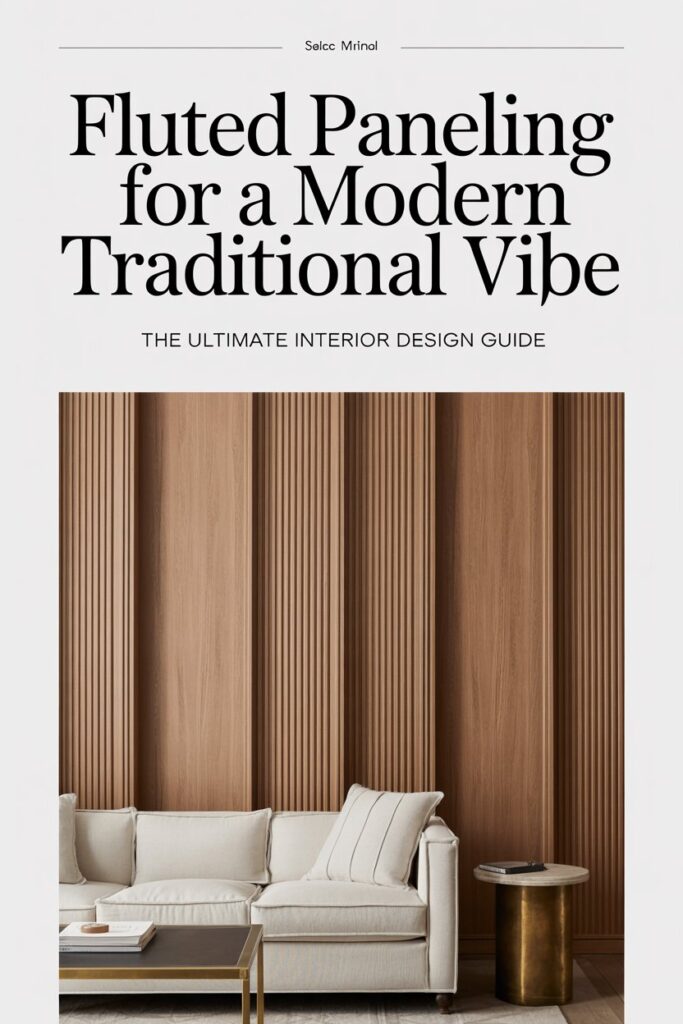
Whether used on walls, cabinetry, furniture, or ceilings, fluted paneling adds texture, depth, and architectural interest. The vertical grooves catch light and shadow in a way that makes spaces feel more dynamic and refined.
In this guide, you’ll discover how to use fluted paneling to achieve the coveted modern traditional vibe, including design ideas, practical tips, and expert insights for incorporating this beautiful architectural detail into your home.
What Is Fluted Paneling?
Fluted paneling refers to decorative wall or surface panels with vertical grooves carved into the material, usually wood, MDF, or composite panels. These grooves create a ribbed texture that adds dimension and visual interest to otherwise flat surfaces.
Originally inspired by classical architecture, fluting was commonly used on columns in Greek and Roman buildings. Today, designers have adapted the concept for modern interiors, using it to elevate walls, cabinets, and furniture pieces.
In modern homes, fluted paneling is loved because it offers a subtle way to introduce texture without overwhelming the space. It works beautifully in minimalist, transitional, and modern traditional interiors.
Why Fluted Paneling Works for a Modern Traditional Style
Modern traditional design combines classic architectural details with clean, contemporary styling. Fluted paneling fits perfectly into this aesthetic because it feels both heritage-inspired and fresh.
The vertical grooves add structure and rhythm to a room, reminiscent of traditional millwork. At the same time, the streamlined pattern feels modern and sophisticated, especially when paired with neutral color palettes and sleek furnishings.
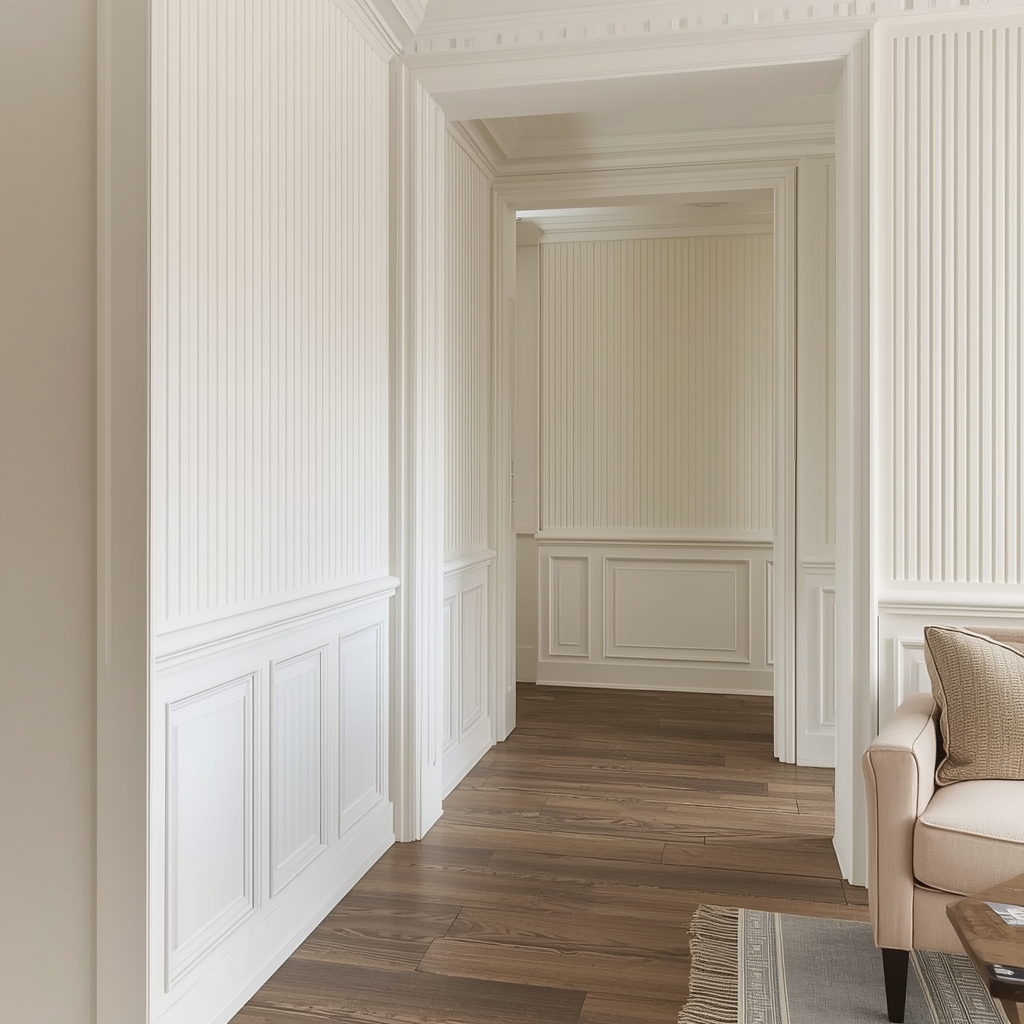
When used thoughtfully, fluted paneling can make a room feel curated rather than trendy. It creates a layered look that adds warmth and character—two key elements of modern traditional interiors.
“Texture is the secret ingredient in timeless interiors, and fluted paneling delivers it in a subtle yet striking way.”
Popular Materials for Fluted Panels
Choosing the right material is essential for both aesthetics and durability. Different materials offer unique benefits depending on where the paneling will be installed.
Below is a comparison of common fluted panel materials used in modern homes.
| Material | Best Use | Benefits |
|---|---|---|
| Solid Wood | Living rooms, feature walls | Natural beauty, premium look |
| MDF | Budget-friendly wall panels | Smooth finish, easy to paint |
| PVC | Bathrooms and kitchens | Water-resistant, low maintenance |
| Plywood | Cabinets and furniture | Strong and versatile |
| Composite Panels | Commercial and modern homes | Durable and lightweight |
Each material can be painted, stained, or finished to match your home’s color palette.
Best Rooms to Use Fluted Paneling
One of the greatest advantages of fluted paneling is its versatility. It can elevate nearly any room in your home.
Here are some popular spaces where fluted paneling makes a strong impact:
Living Room Feature Wall
A fluted accent wall behind the sofa or TV creates an instant focal point. It adds architectural interest without the need for heavy décor.
Bedroom Headboard Wall
Fluted paneling behind the bed adds warmth and luxury, creating a boutique-hotel aesthetic.
Entryway Statement Wall
First impressions matter. Fluted paneling in the foyer introduces texture and elegance the moment guests enter.
Kitchen Island or Cabinets
Fluted cabinet fronts are a growing trend in modern kitchens, bringing a handcrafted look to contemporary spaces.
Color Ideas for Fluted Paneling
Color plays a major role in defining the mood of fluted panels. The grooves create shadows that make paint colors appear richer and more dimensional.
Here are some designer-approved color ideas:
Neutral Shades
- Warm white
- Soft beige
- Creamy taupe
- Light greige
Bold Modern Colors
- Deep navy
- Forest green
- Charcoal gray
- Matte black
Natural Wood Finishes
- Walnut
- Oak
- Teak
- Maple
Neutral tones tend to emphasize the texture, while darker colors create dramatic contrast.
Fluted Paneling vs Traditional Wall Paneling
Many homeowners wonder how fluted paneling compares to other wall treatments like shiplap or board-and-batten.
| Feature | Fluted Paneling | Shiplap | Board & Batten |
|---|---|---|---|
| Texture | Vertical grooves | Horizontal boards | Raised grid pattern |
| Style | Modern + classic | Rustic / farmhouse | Traditional |
| Visual Impact | Subtle elegance | Casual charm | Bold structure |
| Best Use | Accent walls, cabinets | Cottage interiors | Entryways, hallways |
Fluted paneling stands out because it delivers texture without heaviness, making it perfect for contemporary homes.
How to Style Fluted Walls in Modern Interiors
To keep the space balanced, it’s important to pair fluted walls with the right furniture and décor.
Consider these styling tips:
1. Keep furniture simple
Clean-lined sofas and chairs allow the wall texture to stand out.
2. Use warm lighting
Wall sconces and LED strip lighting enhance the grooves by creating shadows.
3. Mix materials
Combine fluted panels with stone, marble, or metal accents for visual contrast.
4. Avoid overcrowding
Let the wall breathe—too many decorations can diminish the design impact.
DIY Installation vs Professional Installation
Many homeowners consider installing fluted panels themselves, especially with ready-made panel boards now widely available.
Here’s a quick comparison:
| Factor | DIY Installation | Professional Installation |
|---|---|---|
| Cost | Lower | Higher |
| Time | Longer | Faster |
| Skill Required | Moderate | Expert |
| Finish Quality | Depends on skill | Usually flawless |
DIY works well for small accent walls, but large installations often benefit from professional precision.
Cost of Fluted Paneling in the U.S.
Costs vary depending on materials, labor, and project size. Below is an average estimate for U.S. homeowners.
| Project Type | Average Cost |
|---|---|
| Small Accent Wall | $400 – $1,200 |
| Living Room Feature Wall | $1,200 – $3,500 |
| Fluted Kitchen Island | $600 – $2,000 |
| Full Room Paneling | $3,000 – $8,000 |
High-end hardwood installations can cost significantly more, but they also offer unmatched durability and luxury appeal.
Common Mistakes to Avoid
While fluted paneling is versatile, improper use can make a room feel busy or dated.
Avoid these common mistakes:
- Installing fluted panels on every wall in a room
- Choosing colors that clash with the flooring
- Ignoring lighting placement
- Using panels in extremely small spaces without balance
- Overdecorating the wall with art
Moderation is key to achieving a sophisticated modern traditional look.
Pro Tip: Lighting Makes Fluted Panels Shine
Pro Tip: Install concealed LED strip lighting at the top or bottom of fluted panels.
This creates dramatic shadows along the grooves, enhancing depth and making the paneling look more architectural and luxurious.
Interior designers often use this technique in living rooms, hallways, and bedrooms to highlight the texture at night.
Where to Use Fluted Paneling for Maximum Impact
Strategic placement is essential. Instead of covering every surface, focus on areas where texture can become a visual highlight.
Top locations include:
- TV feature walls
- Fireplace surrounds
- Kitchen islands
- Hallway accent walls
- Built-in shelving backgrounds
- Home office backdrops
These areas naturally draw the eye, making fluted paneling a powerful design feature.
The Future of Fluted Design in Interior Trends
Fluted textures are expanding beyond walls. Designers are now incorporating this style into furniture, lighting, and even decorative accessories.
Emerging trends include:
- Fluted glass cabinet doors
- Ribbed wood sideboards
- Fluted plaster wall finishes
- Curved fluted furniture
As modern traditional design continues to grow in popularity, fluted textures are expected to remain a staple in stylish homes for years to come.
Final Thoughts
Fluted paneling is one of the most elegant ways to introduce texture into a home without overwhelming the space. Its subtle grooves create depth, movement, and architectural interest while maintaining a clean and sophisticated aesthetic.
For homeowners seeking the perfect balance between classic charm and modern simplicity, fluted paneling offers an ideal solution. Whether you choose a statement wall, a fluted kitchen island, or a textured bedroom backdrop, this design feature can instantly elevate your interior.
By choosing the right materials, colors, and placement, you can transform ordinary walls into timeless design statements that capture the essence of modern traditional style.
If you’d like, I can also help you with:
- SEO meta title, meta description, and slug
- Pinterest pin descriptions
- AI image prompts for blog images
- Internal linking strategy for your home decor blog.